
Introduction
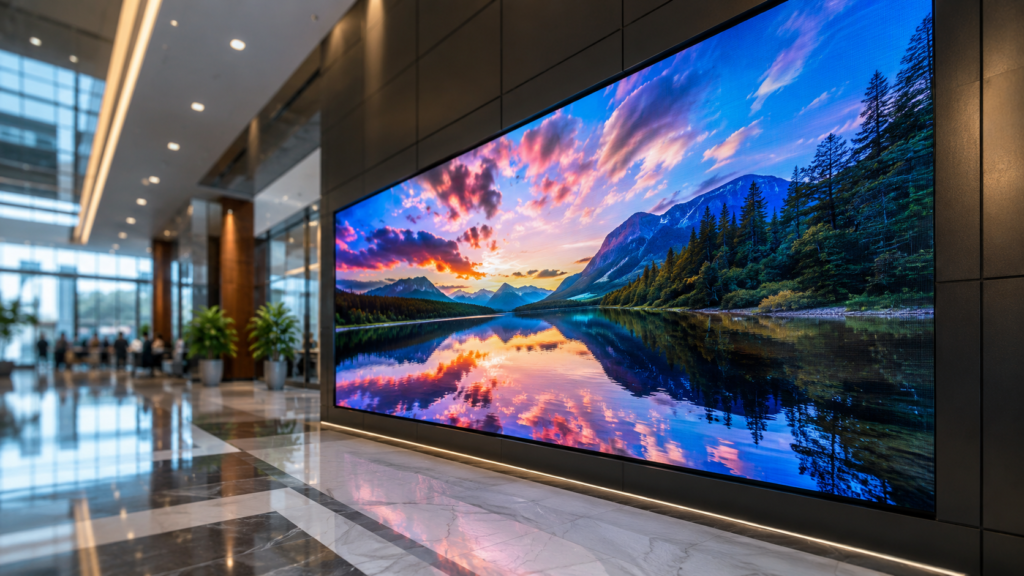
LED screen display technology has transformed the way businesses, organizations, and consumers communicate visual information. From large outdoor billboards and sports arenas to retail stores, conference rooms, and entertainment venues, LED displays have become an essential part of modern digital communication. Their ability to deliver bright, vibrant, and high-resolution content makes them a preferred choice over traditional display technologies.
As digital advertising and visual communication continue to evolve, the demand for high-performance LED screen display solutions is growing rapidly. Businesses are investing in LED displays to capture audience attention, improve brand visibility, and deliver engaging experiences. Whether used for advertising, information sharing, or entertainment, LED screens provide unmatched flexibility and performance.
This comprehensive guide explores everything you need to know about LED screen display technology, including how it works, key features, benefits, applications, selection factors, common mistakes, and future trends.
LED Screen Display
What Is a LED Screen Display?
A LED screen display is a digital display technology that uses Light Emitting Diodes (LEDs) to produce images, videos, text, and animations. Unlike traditional displays that rely on external backlighting, LEDs generate light directly, resulting in brighter visuals, better color reproduction, and improved energy efficiency.
LED displays are available in various sizes and configurations, including:
- Indoor LED displays
- Outdoor LED displays
- Transparent LED displays
- Flexible LED displays
- Rental LED displays
- Fine-pitch LED displays
- Curved LED displays
These displays can be customized to meet specific application requirements, making them suitable for a wide range of industries.
Key Components of an LED Screen Display
- LED Modules
- Power Supply
- Control System
- Receiving Cards
- Cabinet Structure
- Data Cables
- Display Software
Together, these components work seamlessly to create dynamic visual experiences.
How Does a LED Screen Display Work?
A LED screen display operates through thousands or millions of tiny LEDs arranged in a matrix. Each LED functions as a pixel or part of a pixel, producing red, green, and blue light.
Step-by-Step Process
1. Content Creation
Content such as images, videos, and animations is prepared using specialized software.
2. Signal Processing
The controller converts the content into digital signals suitable for display.
3. Data Transmission
Signals are sent to receiving cards inside the LED display.
4. Pixel Activation
Individual LEDs illuminate at varying intensities to create the desired image.
5. Visual Output
The display produces high-quality visuals visible from short and long viewing distances.
This process occurs continuously, allowing real-time content updates and smooth video playback.
Key Features of LED Screen Display
Modern LED displays offer numerous advanced features that make them ideal for professional applications.
High Brightness
LED displays can achieve exceptional brightness levels, ensuring visibility even in direct sunlight.
Superior Color Accuracy
Advanced calibration technologies deliver vivid and realistic colors.
Energy Efficiency
LED technology consumes less power compared to many conventional display solutions.
Long Lifespan
Most professional LED displays can operate for over 100,000 hours under proper conditions.
Seamless Design
Modular construction eliminates visible bezels and gaps.
Wide Viewing Angles
Viewers can see clear content from multiple directions.
Flexible Installation
Displays can be configured in custom shapes and sizes.
Real-Time Content Management
Users can update content instantly through integrated software platforms.
Benefits of Using LED Screen Display
Enhanced Visibility
The high brightness and contrast of LED displays ensure excellent visibility in various lighting conditions.
Improved Audience Engagement
Dynamic visuals attract attention more effectively than static signage.
Cost-Effective Advertising
Businesses can display multiple advertisements on a single screen, reducing printing costs.
Durability
LED displays are designed to withstand continuous operation and harsh environmental conditions.
Scalability
Systems can be expanded by adding more modules.
Reduced Maintenance
Modern LED displays require minimal maintenance compared to traditional signage.
Environmental Benefits
Energy-efficient operation contributes to lower carbon emissions.
LED Screen Display Comparison Table
| Feature | LED Screen Display | LCD Display |
|---|---|---|
| Brightness | Very High | Moderate |
| Outdoor Use | Excellent | Limited |
| Viewing Angle | Wide | Moderate |
| Lifespan | Long | Moderate |
| Energy Efficiency | High | Moderate |
| Scalability | Excellent | Limited |
| Seamless Display | Yes | No |
| Maintenance | Low | Moderate |
Common Uses of LED Screen Display
LED displays are widely used across various industries.
Advertising and Marketing
Businesses use LED displays for:
- Digital billboards
- Retail promotions
- Shopping malls
- Storefront displays
Sports Venues
Applications include:
- Scoreboards
- Live event broadcasting
- Sponsor advertisements
Corporate Environments
Organizations use LED displays for:
- Boardrooms
- Conference halls
- Reception areas
Entertainment Industry
Common uses include:
- Concert stages
- Theaters
- Festivals
- Live productions
Transportation
LED displays provide:
- Passenger information
- Schedule updates
- Directional guidance
Educational Institutions
Schools and universities use LED displays for:
- Announcements
- Digital learning
- Event promotion
Factors to Consider When Choosing a LED Screen Display
Selecting the right LED display requires careful evaluation.
Pixel Pitch
Pixel pitch determines image clarity and viewing distance.
General guidelines:
- Fine Pitch: Indoor close viewing
- Medium Pitch: Retail and corporate use
- Large Pitch: Outdoor advertising
Brightness Requirements
Indoor and outdoor environments require different brightness levels.
Installation Location
Consider:
- Indoor applications
- Outdoor weather exposure
- Wall mounting
- Hanging installations
Screen Size
The display size should align with viewing distance and content requirements.
Refresh Rate
Higher refresh rates provide smoother video playback.
Maintenance Accessibility
Front-service and rear-service options affect maintenance procedures.
Budget
Balance performance requirements with project costs.
Common Mistakes When Buying LED Screen Display
Many buyers make avoidable mistakes during selection.
Choosing Based Only on Price
Low-cost displays may compromise quality and reliability.
Ignoring Pixel Pitch
An incorrect pixel pitch can negatively impact image quality.
Overlooking Brightness Requirements
Insufficient brightness reduces visibility.
Neglecting Software Compatibility
Ensure the display integrates with existing content management systems.
Ignoring Future Expansion
Choose scalable systems that accommodate future growth.
Expert Tips for Maximizing LED Screen Display Performance
Use High-Quality Content
Professional visuals significantly improve audience engagement.
Perform Regular Calibration
Calibration ensures consistent color accuracy.
Schedule Preventive Maintenance
Routine inspections help identify potential issues early.
Optimize Viewing Distance
Match pixel pitch to audience distance.
Monitor Environmental Conditions
Protect displays from extreme weather and excessive moisture.
Industry Applications of LED Screen Display
Retail Industry
Retailers use LED displays to showcase promotions and improve customer experiences.
Hospitality Industry
Hotels and resorts utilize LED screens for branding and guest communication.
Healthcare Sector
Hospitals use LED displays for information sharing and wayfinding.
Government Facilities
Public agencies employ LED displays for announcements and emergency communication.
Manufacturing Industry
Factories use LED displays to monitor production metrics and safety information.
Religious Organizations
Places of worship use LED displays for presentations and live streaming.
Future Trends in LED Screen Display Technology
The LED display industry continues to evolve rapidly.
Micro LED Technology
Micro LED displays offer improved efficiency, brightness, and image quality.
Flexible and Curved Displays
Innovative designs enable creative installations.
AI-Powered Content Management
Artificial intelligence helps optimize content delivery and audience engagement.
Higher Resolutions
Demand for 4K, 8K, and beyond continues to grow.
Interactive Displays
Touch-enabled LED screens are becoming increasingly popular.
Smart Connectivity
Cloud-based control systems simplify remote management.
Energy-Efficient Innovations
Manufacturers continue developing greener display solutions.
Advantages and Disadvantages of LED Screen Display
Pros
- Exceptional brightness
- Energy efficient
- Long lifespan
- Scalable design
- Wide viewing angles
- High durability
- Excellent color performance
Cons
- Higher initial investment
- Professional installation may be required
- Premium fine-pitch displays can be costly
Key Takeaways
- LED screen display technology provides superior brightness and image quality.
- It supports indoor and outdoor applications.
- Businesses benefit from improved engagement and visibility.
- Proper pixel pitch selection is critical.
- Future innovations will continue expanding capabilities.
Conclusion
LED screen display technology has become one of the most powerful visual communication solutions available today. Its combination of brightness, durability, scalability, and energy efficiency makes it suitable for virtually every industry. From digital advertising and corporate communication to entertainment and public information systems, LED displays continue to redefine how organizations connect with audiences.
As technology advances, LED displays will become even more intelligent, efficient, and visually impressive. Businesses investing in high-quality LED screen display solutions today can expect long-term performance, stronger audience engagement, and a competitive advantage in an increasingly digital world.
FAQ Section
1. What is a LED screen display?
A LED screen display is a digital display system that uses light-emitting diodes to create images, videos, and text with high brightness, vivid colors, and excellent visibility.
2. How long does a LED screen display last?
Most professional LED displays have a lifespan of approximately 50,000 to 100,000 operating hours depending on usage and maintenance.
3. Can LED screen displays be used outdoors?
Yes. Outdoor LED screen display systems are specifically designed to withstand weather conditions and provide high brightness in direct sunlight.
4. What is pixel pitch in a LED screen display?
Pixel pitch refers to the distance between LED pixels. Smaller pixel pitches provide higher image resolution and are suitable for close viewing distances.
5. Are LED displays energy efficient?
Yes. Modern LED displays consume less energy compared to many traditional display technologies while delivering superior brightness.
6. What industries use LED screen displays?
Retail, advertising, transportation, healthcare, education, hospitality, manufacturing, sports, and entertainment industries widely use LED displays.
7. How often should LED displays be maintained?
Routine inspections every few months help maintain performance and prevent technical issues.
8. What content can be shown on LED displays?
LED displays can show videos, images, text, animations, live feeds, advertisements, and real-time information.
9. Are LED displays customizable?
Yes. LED displays can be customized in size, shape, resolution, and configuration to suit specific applications.
10. What is the future of LED screen display technology?
Future developments include Micro LED, flexible displays, AI-driven content management, higher resolutions, and improved energy efficiency.