
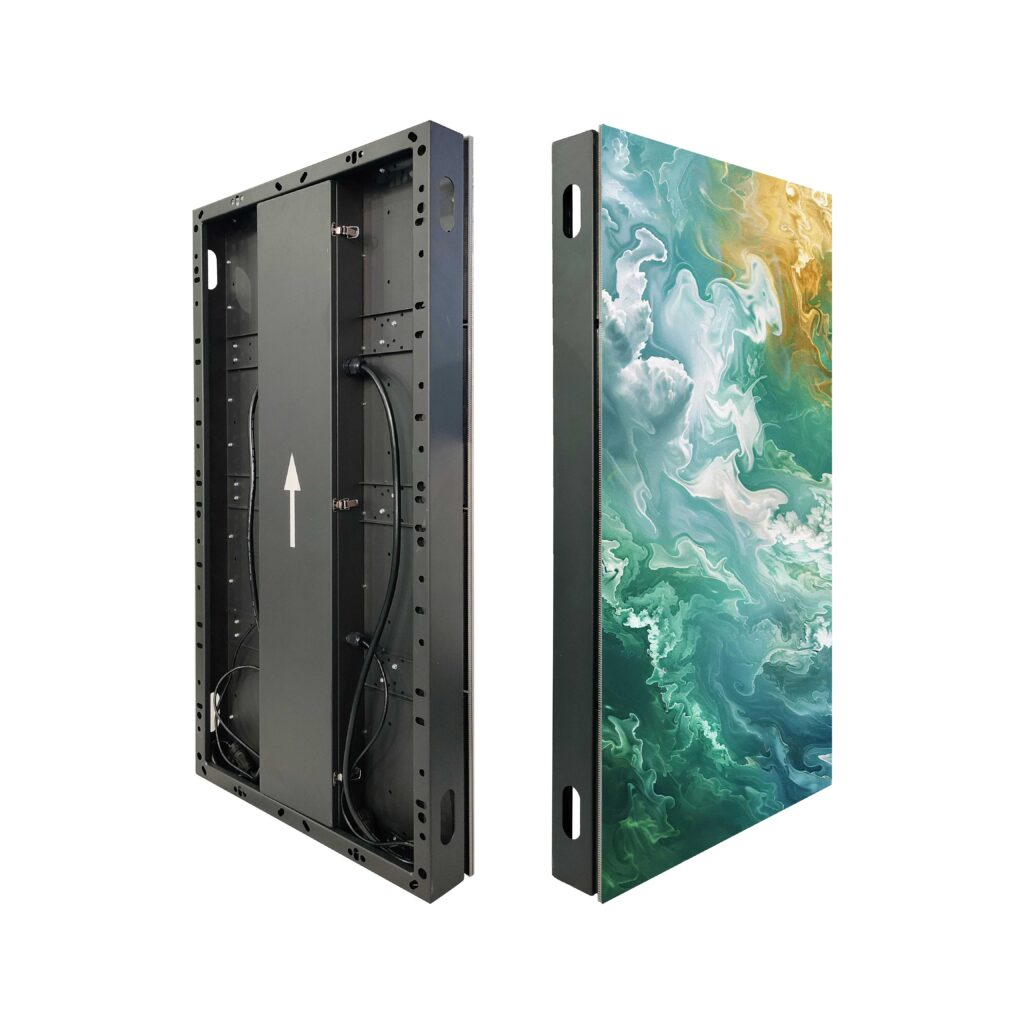
An indoor LED display is a high-brightness digital screen made of LED modules designed specifically for indoor environments such as malls, conference halls, churches, retail stores, and event venues. Unlike traditional LCD screens, this type of display offers seamless visuals, higher brightness control, and scalable screen sizes without bezels.
In 2026, businesses are rapidly adopting indoor LED screen systems because they deliver better engagement, stronger branding, and more flexible content delivery compared to static signage.
Modern companies like JJY Stage provide advanced indoor LED video wall solutions that support corporate branding, advertising, and live event visuals with exceptional clarity.
Why is indoor led display becoming essential for businesses today?
The demand for indoor led display systems is increasing due to the shift toward digital-first communication. Businesses now rely on visual storytelling, and LED technology makes it more impactful.
Here’s why:
- Higher visibility compared to printed banners
- Dynamic content updates in real time
- Better customer engagement in retail spaces
- Scalable display size for any environment
- Long lifespan with low maintenance
A commercial LED display is no longer a luxury; it is a necessity for modern marketing and communication.
What are the main types of indoor LED display systems?
There are several categories of indoor led display systems depending on use case and pixel density:
1. Fine Pitch LED Display
A fine pitch LED display is ideal for close viewing distances such as meeting rooms and control centers. It offers sharp images and smooth visuals.
2. COB LED Display
A COB LED display uses chip-on-board technology for better durability and higher resolution. It is widely used in premium installations.
3. Seamless LED Video Wall
A seamless LED video wall eliminates bezels and creates a continuous large-screen experience, often used in events and studios.
4. All-in-One LED Display
An all-in-one LED display is plug-and-play, ideal for conference rooms and corporate presentations.
5. Ultra Fine Pixel Pitch LED
An ultra fine pixel pitch LED is designed for ultra-clear visuals in luxury environments and broadcast studios.
Where can indoor LED displays be used effectively?
The applications of indoor led display technology are extremely diverse:
- LED display for meeting rooms in corporate offices
- LED display for churches for sermons and live worship
- LED wall for retail stores to attract customers
- LED display for auditorium presentations and events
- Event LED display screen for concerts and exhibitions
- Indoor advertising screen for malls and airports
These commercial LED display systems are widely used in the USA for branding and communication.

How does indoor LED display technology work?
An indoor led display works using multiple LED modules connected together to form a larger screen. Each pixel contains red, green, and blue LEDs that combine to produce full-color visuals.
Key technologies include:
- High refresh rate LED display for smooth video playback
- High resolution LED display for crisp visuals
- Smart LED display solutions for remote content control
- Interactive LED display for customer engagement
A professional video wall display can support both live video and preloaded content seamlessly.
What is the difference between LED display types?
Understanding differences helps buyers choose the right system:
- Indoor LED video wall: Large-scale seamless display for events
- LED display panel: Modular screen units
- Indoor LED signage: Used for advertisements and promotions
- Conference room LED display: Designed for corporate presentations
- Retail LED display solutions: Built for marketing and engagement
Each type serves a specific commercial purpose.
How much does an indoor LED display cost in 2026?
The cost of an indoor led screen depends on:
- Pixel pitch (fine or standard)
- Screen size
- Resolution (HD, 4K LED display)
- Installation complexity
- Brand and quality
A buy indoor LED display decision should consider both upfront cost and long-term maintenance.
Generally:
- Small corporate screens are more affordable
- Large commercial LED display walls cost significantly more
- Premium fine pixel pitch display systems are higher priced
Companies like JJY Stage offer customized pricing based on project requirements.
What should you consider before buying an indoor LED display?
When selecting an indoor led screen, focus on:
1. Viewing Distance
Closer viewing needs finer pixel pitch.
2. Brightness and Resolution
Choose HD or 4K indoor LED screen for clear visuals.
3. Installation Type
Ensure proper LED wall installation services are available.
4. Maintenance
Check module accessibility for repairs.
5. Control System
Modern smart LED display solutions offer easy content management.
6. Application
Retail, events, or corporate use requires different configurations.
Why are indoor LED displays replacing traditional screens?
Traditional projectors and LCD screens are being replaced because indoor visual display technology offers:
- Better brightness
- No bezels
- Longer lifespan
- Flexible screen sizing
- Superior viewing angles
A LED screen for business is now the preferred choice for modern digital communication.
What makes a good LED display company?
A reliable provider like JJY Stage should offer:
- OEM manufacturing capability
- Global supply experience (especially USA market)
- Custom solutions
- Technical support and installation
- High-quality premium indoor LED screens
Choosing the best indoor LED display company ensures long-term reliability and performance.
Benefits of indoor LED display systems
- Strong brand visibility
- Higher audience engagement
- Flexible content updates
- Energy-efficient operation
- Professional presentation quality
These benefits make them essential for modern businesses and events.
Future of indoor LED display technology
The future is moving toward:
- AI-powered content control
- Interactive displays
- Higher refresh rate LED display systems
- Ultra-thin modular designs
- Smarter integration with AV systems
Technologies like COB LED display and interactive LED display will dominate future installations.
Final Words
The demand for indoor led display systems is growing rapidly in the USA and global markets due to their flexibility, performance, and visual impact. Whether it is retail, corporate, or entertainment use, these systems redefine how businesses communicate with audiences.
Choosing a trusted manufacturer like JJY Stage ensures you get reliable engineering, high-quality components, and long-term support for your commercial LED display projects.
As digital transformation continues, investing in advanced indoor LED video wall solutions is not just an upgrade it is a long-term business advantage.
FAQs
What is the lifespan of an LED display system?
A high-quality LED display can last 80,000–100,000 hours with proper maintenance.
Is an LED display better than an LCD?
Yes, because indoor LED video wall systems offer better brightness, no bezels, and scalable sizes.
Can LED displays be used in meeting rooms?
Yes, a LED display for meeting rooms is widely used in corporate environments for presentations and video conferencing.
What is pixel pitch in LED displays?
Pixel pitch refers to the distance between LEDs. Smaller pitch means higher clarity, especially in fine pitch LED display systems.
What is an indoor led display used for in commercial environments?
It is used for retail advertising, corporate branding, events, exhibitions, and digital signage applications where high-impact visuals are required.