
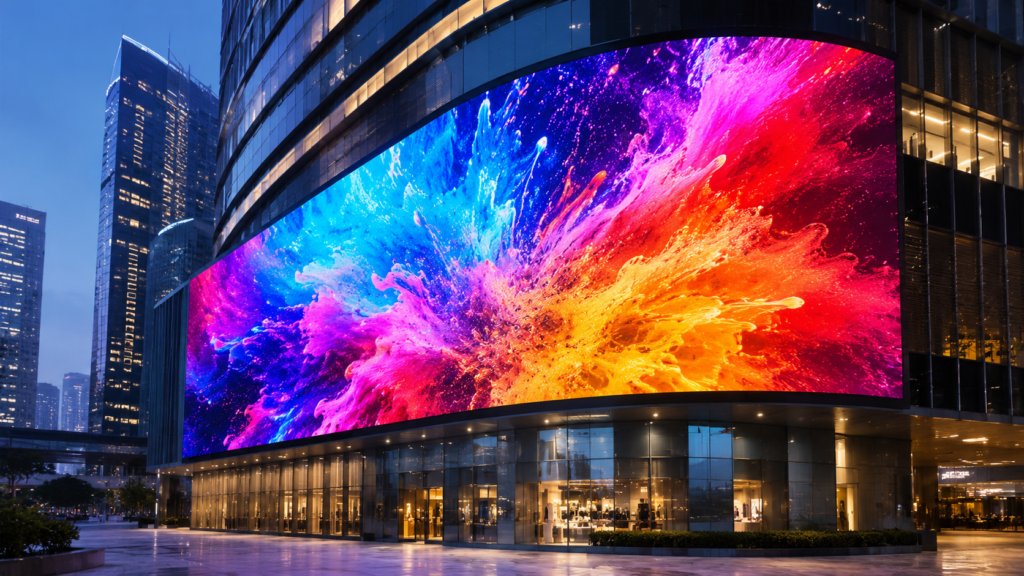
Introduction
LED display LED screen technology has become one of the most powerful visual communication tools in modern business, advertising, entertainment, and information sharing. From massive outdoor billboards and sports stadiums to retail stores and corporate meeting rooms, LED display LED screens are transforming how organizations engage audiences and deliver content.
Known for their exceptional brightness, vibrant colors, energy efficiency, and long lifespan, LED display screens provide superior performance compared to many traditional display technologies. Their versatility allows businesses to showcase advertisements, videos, presentations, real-time information, and promotional content in virtually any environment.
As demand for digital communication continues to grow, investing in the right LED display LED screen can significantly improve visibility, customer engagement, and brand recognition. Whether you’re planning a digital signage project, upgrading an existing display system, or exploring commercial LED solutions, understanding the technology is essential.
In this guide, we’ll cover everything you need to know about LED display LED screens, including their features, benefits, types, applications, buying considerations, and future trends.
What Is an LED Display LED Screen?
An LED display LED screen is a digital display system that uses Light Emitting Diodes (LEDs) to create images, videos, text, and animations.
Unlike traditional display technologies, LED screens use thousands or even millions of individual LEDs to generate bright and dynamic visual content.
These displays are commonly used for:
- Advertising
- Information displays
- Entertainment
- Corporate presentations
- Sports events
- Public communication
Their ability to deliver high visibility in various lighting conditions makes them highly effective for commercial applications.
How Does an LED Display LED Screen Work?
LED screens consist of numerous LED modules arranged together to form a complete display.
Key Components
LED Modules
Contain individual LEDs responsible for generating light.
Power Supply
Provides electrical power to the display.
Control System
Manages content playback and screen operation.
Receiving Cards
Process image signals.
Cabinet Structure
Supports and protects display components.
When content is transmitted from a media source, the control system distributes the signal across LED modules to create a seamless image.
Types of LED Display LED Screens
Indoor LED Display Screens
Designed for:
- Retail stores
- Conference rooms
- Shopping malls
- Exhibition halls
Features:
- High resolution
- Fine pixel pitch
- Close viewing distances
Outdoor LED Display Screens
Used for:
- Billboards
- Stadiums
- Public advertising
- Transportation hubs
Features:
- High brightness
- Weather resistance
- Durable construction
Rental LED Screens
Ideal for:
- Concerts
- Corporate events
- Trade shows
- Live productions
Features:
- Lightweight design
- Fast installation
- Portable cabinets
Transparent LED Screens
Common in:
- Retail storefronts
- Commercial buildings
- Architectural projects
Features:
- High transparency
- Modern appearance
- Dynamic content display
Flexible LED Screens
Used for:
- Curved displays
- Creative installations
- Customized projects
Key Features of LED Display LED Screens
High Brightness
Provides excellent visibility even in direct sunlight.
Superior Color Accuracy
Delivers vibrant and realistic visuals.
Energy Efficiency
Consumes less power compared to many traditional display systems.
Long Lifespan
Quality LED screens can operate for over 100,000 hours.
Modular Design
Allows easy maintenance and scalability.
Wide Viewing Angles
Ensures content remains visible from multiple directions.
Benefits of LED Display LED Screens
Enhanced Audience Engagement
Dynamic content attracts attention more effectively than static signage.
Improved Brand Visibility
Bright displays help businesses stand out.
Flexible Content Management
Update advertisements and messages instantly.
Reduced Operating Costs
Energy-efficient technology lowers electricity expenses.
Higher Return on Investment
Long lifespan and durability improve overall value.
Common Uses of LED Display LED Screens
Digital Advertising
Outdoor billboards and promotional displays.
Retail Signage
Product promotions and brand messaging.
Corporate Communication
Meeting rooms and conference centers.
Sports Venues
Scoreboards and video displays.
Entertainment Events
Concert stages and live productions.
Transportation Systems
Arrival and departure information boards.
LED Display LED Screen vs LCD Display
| Feature | LED Display Screen | LCD Display |
|---|---|---|
| Brightness | Excellent | Moderate |
| Outdoor Visibility | High | Limited |
| Lifespan | Long | Moderate |
| Scalability | Excellent | Limited |
| Energy Efficiency | High | Moderate |
| Viewing Distance | Flexible | Fixed |
Factors to Consider Before Buying
Pixel Pitch
Smaller pixel pitch provides higher resolution.
Viewing Distance
Determine optimal screen specifications.
Brightness Requirements
Indoor and outdoor applications differ significantly.
Installation Location
Consider environmental conditions.
Maintenance Accessibility
Choose designs that allow easy servicing.
Budget
Balance performance and cost requirements.
Common Mistakes to Avoid
Choosing the Wrong Pixel Pitch
Can affect image clarity.
Ignoring Viewing Distance
May reduce display effectiveness.
Underestimating Brightness Needs
Especially important for outdoor installations.
Selecting Low-Quality Components
Can shorten lifespan and increase maintenance.
Poor Installation Planning
May impact performance and safety.
Expert Tips for Maximizing Performance
- Choose reputable manufacturers.
- Schedule regular maintenance.
- Optimize content resolution.
- Monitor operating temperatures.
- Use professional installation services.
Industry Applications
Retail Industry
Promotions and customer engagement.
Hospitality Sector
Guest information and branding.
Education
Campus communication systems.
Government
Public information displays.
Healthcare
Patient communication and information sharing.
Transportation
Real-time travel information.
Future Trends in LED Display LED Screens
Micro LED Technology
Improved brightness and efficiency.
Smart Display Integration
AI-powered content management.
Energy-Efficient Components
Reduced operating costs.
Interactive Displays
Enhanced user engagement.
3D LED Screens
Immersive visual experiences.
The future of LED display technology continues to evolve rapidly as businesses seek more engaging communication solutions.
Conclusion
LED display LED screens have revolutionized digital communication by offering exceptional brightness, flexibility, durability, and visual impact. Whether used for advertising, entertainment, corporate communication, or public information, these displays provide an effective solution for capturing attention and delivering content.
By understanding screen types, features, applications, and buying considerations, businesses can make informed decisions that maximize return on investment while enhancing audience engagement. As technology continues to advance, LED display LED screens will remain a leading choice for modern visual communication.
Frequently Asked Questions
1. What is an LED display LED screen?
An LED display LED screen is a digital display that uses light-emitting diodes to produce images, videos, text, and animations.
2. Where are LED display screens used?
They are used in advertising, retail, transportation, education, entertainment, sports venues, and corporate environments.
3. What is pixel pitch?
Pixel pitch refers to the distance between LEDs and directly affects image quality and viewing distance.
4. Are LED screens suitable for outdoor use?
Yes. Outdoor LED screens are specifically designed to withstand weather conditions and provide high brightness.
5. How long do LED screens last?
Quality LED screens can operate for more than 100,000 hours with proper maintenance.
6. Are LED screens energy efficient?
Yes. Modern LED technology consumes less energy while delivering excellent brightness.
7. What is the difference between LED and LCD displays?
LED displays generally offer higher brightness, better scalability, and improved outdoor visibility.
8. Can LED screens display videos?
Yes. LED display screens can show videos, animations, graphics, and live content.
9. How do I choose the right LED screen?
Consider pixel pitch, viewing distance, brightness, installation location, and budget.
10. Are LED screens customizable?
Yes. LED screens are available in various sizes, shapes, and configurations to meet specific project requirements.