
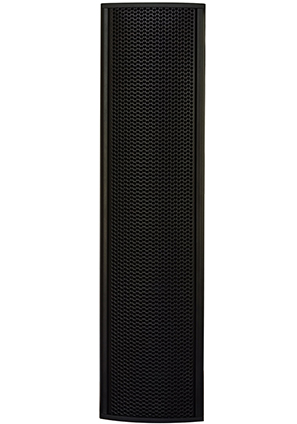
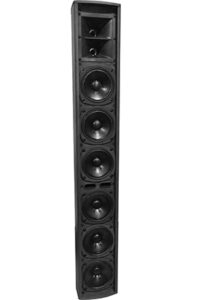
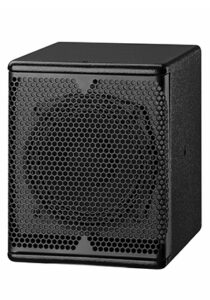
A high-quality home speaker system is essential for anyone seeking an immersive audio experience. Whether for movies, music, gaming, or everyday television viewing, superior speakers significantly enhance sound clarity, depth, and realism. Compared to built-in television or laptop speakers, a dedicated speaker system delivers richer bass, clearer dialogue, and a more dynamic listening environment.
This guide provides a detailed overview of the best home speaker systems, outlines key features to consider, and offers professional insights to help you make an informed purchase.
The Importance of a Quality Home Speaker System
Modern entertainment relies heavily on audio performance. However, most televisions prioritize slim design over sound quality, resulting in weak output, limited bass, and poor vocal clarity. Investing in a proper speaker system solves these limitations by offering:
- Enhanced sound clarity and realism
- Deeper and more powerful bass reproduction
- Improved vocal intelligibility for movies and dialogue
- Immersive surround sound for cinematic experiences
- Balanced audio for music listening and streaming
A high-performance speaker system not only improves entertainment quality but also adds long-term value to your home setup.
Types of Home Speaker Systems
1. Soundbars: Space-Efficient and Convenient
Soundbars are an excellent option for users seeking improved audio without complex installation. These compact systems integrate multiple speaker drivers into a single unit and often include wireless subwoofers. Premium models support advanced formats such as Dolby Atmos and DTS:X, delivering simulated surround sound.
Ideal for: Small rooms, apartments, and minimal setups
Advantages: Easy installation, sleek design, affordability
Limitations: Less immersive than multi-speaker systems
2. Stereo Speaker Systems (2.0 or 2.1 Configurations)
Stereo systems consist of two primary speakers, with optional subwoofer support for enhanced bass. These systems are preferred by music enthusiasts due to their accurate sound reproduction and tonal balance. Bookshelf speakers are popular for compact spaces, while floor-standing speakers provide more powerful output for larger rooms.
Ideal for: Music lovers and medium-sized rooms
Advantages: Excellent sound accuracy, expandable configuration
Limitations: Limited surround sound capabilities
3. Home Theater Surround Systems (5.1, 7.1, and Dolby Atmos)
Surround sound systems provide the most immersive audio experience available for home use. These setups typically include front, center, surround speakers, and a dedicated subwoofer. Advanced systems add height channels to support Dolby Atmos, creating three-dimensional audio that enhances cinematic realism.
Ideal for: Movie enthusiasts, gamers, and large home theaters
Advantages: Full surround immersion, superior spatial audio
Limitations: Higher cost, more complex installation
4. Smart and Multi-Room Speaker Systems
Smart speaker ecosystems enable wireless streaming across multiple rooms, voice control integration, and smart home compatibility. These systems allow users to synchronize music throughout the home while benefiting from modern connectivity features.
Ideal for: Smart home users and multi-room audio setups
Advantages: Wireless flexibility, app-based control, scalable expansion
Limitations: Premium pricing over time
Key Factors to Consider When Choosing a Home Speaker System
1. Audio Performance and Power Output
Sound quality depends on speaker design, driver materials, and acoustic tuning. Rather than focusing solely on wattage, prioritize balanced audio with clear mids, defined highs, and controlled bass.
2. Surround Sound and Format Support
For cinematic use, systems supporting Dolby Atmos or DTS:X offer enhanced immersion through height-based and spatial sound processing.
3. Connectivity and Compatibility
Modern speaker systems offer various connectivity options, including:
- HDMI eARC for television integration
- Bluetooth and Wi-Fi streaming
- Optical and AUX inputs
- AirPlay and Chromecast compatibility
4. Room Size and Acoustic Environment
Selecting a system appropriate for your room size ensures optimal sound distribution:
- Small rooms: Soundbars or bookshelf speakers
- Medium rooms: Stereo or 5.1 surround systems
- Large rooms: 7.1 or Dolby Atmos systems
5. Expandability and Upgrade Potential
Some systems allow additional speakers or subwoofers to be added over time, making them suitable for long-term upgrades.
Recommended Speaker System Categories
Best for Overall Home Use
Balanced smart speaker systems provide excellent audio quality with modern connectivity and ease of use, making them suitable for general home entertainment.
Best for Home Theater Performance
Premium surround systems with dedicated rear speakers and subwoofers deliver cinematic immersion and accurate dialogue reproduction.
Best for Budget-Friendly Dolby Atmos Audio
Affordable Atmos-enabled soundbars provide impressive 3D audio performance at a lower cost compared to full surround systems.
Best for Music and Hi-Fi Listening
Bookshelf and desktop hi-fi speaker systems offer high-resolution playback and precise sound staging for music enthusiasts.
Best for Large Room Audio
Floor-standing speakers produce powerful, room-filling sound with strong midrange presence and deep bass.
Best Practices for Maximizing Speaker Performance
- Optimize speaker placement: Position speakers at ear level and avoid placing them too close to walls
- Utilize room calibration tools: Many systems include automatic sound optimization
- Add a subwoofer when possible: Improves low-frequency depth and impact
- Minimize sound reflections: Use curtains, carpets, or acoustic panels if needed
- Upgrade gradually: Start with a basic setup and expand over time
Common Mistakes to Avoid
- Choosing speakers too powerful or too weak for the room size
- Ignoring room acoustics and speaker placement
- Prioritizing brand reputation over actual sound performance
- Overlooking future expansion options
- Selecting systems without required connectivity features
Conclusion
Selecting the best home speaker system requires balancing audio quality, room size, budget, and intended use. Soundbars provide convenience and simplicity, stereo systems excel in music reproduction, and surround sound setups deliver the ultimate cinematic experience. Meanwhile, smart and multi-room systems offer modern convenience and scalability.
A well-chosen speaker system enhances entertainment quality, enriches listening experiences, and provides long-term value. By evaluating your specific needs and considering the factors outlined in this guide, you can confidently invest in a speaker system that elevates your home audio environment.