
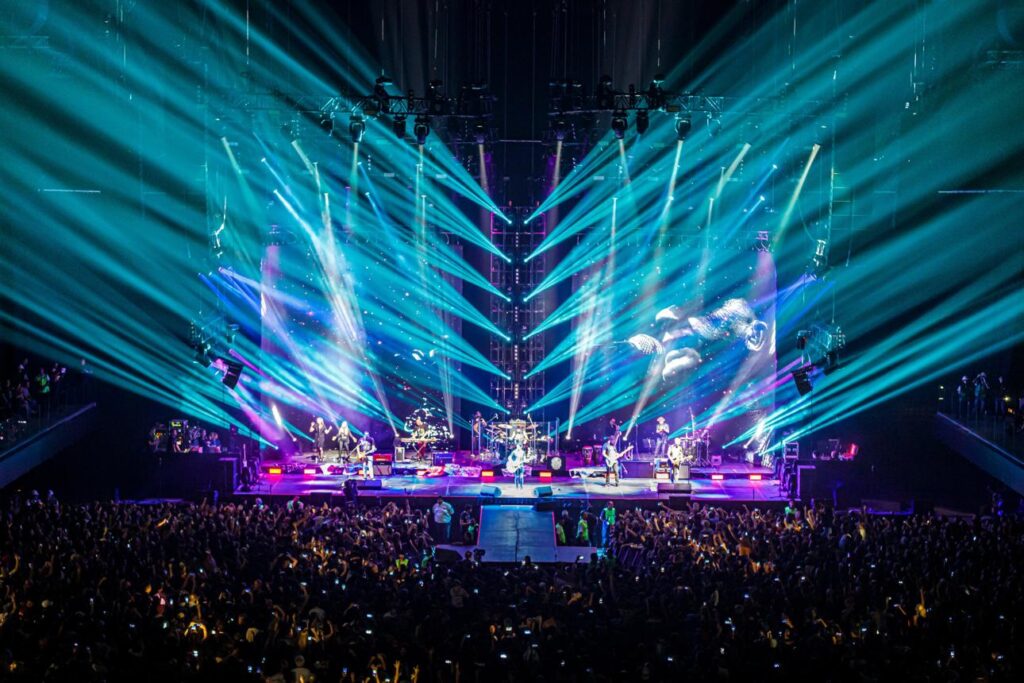
Stage lighting plays an important role in creating memorable concerts, live performances, and entertainment events. The right lighting setup can transform a simple stage into an engaging visual experience by highlighting performers, creating atmosphere, and coordinating lighting effects with music and performances.
Whether you are organizing a concert, managing a theatre production, planning a corporate event, or designing a professional entertainment venue, choosing the right stage lighting equipment is essential.
Modern stage lighting systems include LED PAR lights, moving head lights, beam lights, spotlights, and special effects lighting. Each type serves a different purpose and helps lighting designers create dynamic visual environments.
In this guide, we explore the best stage lighting equipment for concerts and live events, their applications, key features, and factors to consider when selecting professional lighting solutions.
What Is Stage Lighting Equipment?
Stage lighting equipment refers to specialized lighting fixtures and control systems used to illuminate performers, stages, backgrounds, and event spaces.
Professional stage lighting does more than provide visibility. It helps establish the mood, direct audience attention, create visual effects, and improve the overall production quality.
Common stage lighting equipment includes:
- LED PAR lights
- Moving head lights
- Beam moving head lights
- Spotlights
- Wash lights
- Follow spotlights
- Special effects lighting
- Lighting control systems
These fixtures can be combined to create lighting arrangements suitable for concerts, festivals, theatres, television productions, and other live entertainment environments.
7 Best Types of Stage Lighting Equipment for Concerts and Live Events
Selecting the right lighting fixtures depends on the venue, stage dimensions, performance requirements, and desired visual effects. The following equipment types are widely used in professional stage productions.
1. LED PAR Lights
LED PAR lights are commonly used in concert venues, theatres, event halls, and entertainment spaces.
They provide consistent illumination and are suitable for creating colorful stage backgrounds, highlighting performers, and adding ambient lighting effects.
Key Features:
- Multiple color options, depending on the fixture
- Adjustable brightness
- Energy-efficient LED technology
- Compact installation options
- Suitable for stage washes and background lighting
Applications:
LED PAR lights are particularly useful for concerts, weddings, theatrical performances, exhibitions, and indoor entertainment events.
2. Moving Head Lights
Moving head lights are essential components of modern professional stage lighting systems. Unlike fixed lighting fixtures, these lights can move horizontally and vertically to direct illumination across different areas of a stage.
They allow lighting designers to create dynamic effects and coordinate lighting movements with music and performances.
Key Features:
- Pan and tilt movement
- Programmable lighting effects
- Adjustable beam positioning
- Multiple operating modes, depending on the model
- DMX control compatibility on supported fixtures
Applications:
Moving head lights are frequently used in live concerts, music festivals, nightclubs, television productions, and large entertainment events.
3. Beam Moving Head Lights
Beam moving head lights produce narrow, concentrated beams that create striking visual effects, especially when used with atmospheric haze.
They are commonly installed in concert lighting rigs where powerful directional effects are required.
Key Features:
- Narrow beam output
- Fast movement capabilities
- Dynamic aerial lighting effects
- Color and effect options
- Programmable movement and positioning
Applications:
Beam lights are suitable for music concerts, DJ performances, festivals, stage shows, and entertainment venues.
4. Spot Moving Head Lights
Spot moving head lights are designed to project controlled light onto specific stage areas, performers, or objects.
They offer greater control over the illuminated area and can incorporate effects such as gobos, color changes, and adjustable focus, depending on the model.
Key Features:
- Focused light output
- Gobo projection capabilities
- Adjustable positioning
- Color selection
- Programmable effects
Applications:
Spot moving head lights are useful for theatrical productions, concerts, stage performances, and presentations where specific performers or objects need visual emphasis.
5. Wash Moving Head Lights
Wash moving head lights provide broad and even illumination across larger stage areas.
They are often used to create colorful lighting backgrounds and establish the atmosphere of a performance.
Key Features:
- Wide lighting coverage
- Smooth color transitions
- Adjustable movement
- Suitable for stage background illumination
- Flexible positioning
Applications:
Wash lights are commonly used for concerts, theatres, live entertainment, event halls, and television productions.
6. Follow Spotlights
Follow spotlights are designed to keep performers illuminated as they move across a stage.
They are particularly useful when the audience needs to maintain visual focus on a singer, presenter, actor, or other performer.
Key Features:
- Directional illumination
- Adjustable beam size
- Controlled positioning
- Performer tracking by an operator
- Suitable for long-distance illumination, depending on the fixture
Applications:
Follow spotlights are widely used in concerts, theatrical productions, award ceremonies, and large stage performances.
7. Special Effects Lighting
Special effects lighting adds additional visual elements to live performances and entertainment productions.
These fixtures can create distinctive lighting patterns and atmospheric effects that complement music, stage design, and performance themes.
Examples include:
- Strobe lights
- Audience blinders
- LED effect lights
- Laser effects
- Other programmable lighting fixtures
Applications:
Special effects lighting is commonly used in concerts, festivals, DJ events, nightclubs, and large entertainment productions.
How to Choose the Right Stage Lighting Equipment
Selecting professional stage lighting equipment requires careful consideration of the venue, production requirements, and lighting objectives.
Here are some important factors to evaluate before purchasing lighting fixtures.
1. Event Type and Requirements
Start by identifying the type of event you are planning.
A concert may require moving head lights, beam fixtures, wash lights, and special effects. A theatre production may need more controlled spotlights and consistent stage illumination.
Choose equipment according to the intended application rather than selecting fixtures based only on their appearance.
2. Stage Size and Venue Layout
The size of the stage determines the number, positioning, and type of lighting fixtures required.
Large concert stages may need multiple lighting positions and different fixture types to achieve balanced coverage.
For smaller venues, a more compact lighting arrangement may provide sufficient illumination.
3. Brightness and Light Output
Light output is an important consideration when selecting professional stage lighting equipment.
Consider the venue size, mounting distance, ambient lighting conditions, and required coverage before choosing fixtures.
Different lighting applications require different output characteristics.
4. Color Options and Lighting Effects
Modern LED stage lights offer different color and effect capabilities.
RGB, RGBW, and other LED configurations can provide different color combinations depending on the fixture.
Look for lighting equipment that supports the effects and transitions required for your production.
5. Control and Compatibility
Lighting control is essential for coordinating multiple fixtures during a performance.
DMX-compatible equipment allows lighting designers to program and control supported fixtures through compatible lighting consoles and control systems.
For larger productions, consider the control requirements of the complete lighting setup.
6. Build Quality and Reliability
Professional lighting equipment should be suitable for its intended operating environment.
For touring concerts and outdoor events, consider fixture construction, cooling, protection ratings, maintenance requirements, and manufacturer specifications.
Always check the technical documentation before making a purchase.
Indoor vs Outdoor Stage Lighting Equipment
Indoor and outdoor events often require different lighting considerations.
| Feature | Indoor Stage Lighting | Outdoor Stage Lighting |
|---|---|---|
| Environment | Controlled venue | Weather-exposed environment |
| Fixture protection | Based on venue requirements | Appropriate environmental protection |
| Brightness | Depends on ambient lighting | Must account for surrounding light |
| Installation | Fixed or temporary rigs | Trusses and outdoor structures |
| Equipment selection | Venue-specific | Weather and site-specific |
For outdoor concerts, choose fixtures with suitable ingress protection ratings and ensure that electrical connections and installation arrangements are appropriate for outdoor conditions.
How to Create a Professional Concert Lighting Setup
A successful concert lighting setup combines different fixture types to achieve balanced illumination and engaging visual effects.
A typical lighting arrangement may include:
Front Lighting: Used to illuminate performers and improve visibility.
Stage Wash Lighting: Provides broad illumination across the performance area.
Moving Head Lighting: Creates movement and dynamic lighting effects.
Beam Lighting: Produces concentrated beams for dramatic visual impact.
Background Lighting: Adds depth and visual separation between performers and stage backgrounds.
Special Effects Lighting: Introduces additional effects that complement the music and performance.
Lighting designers should coordinate these elements through a suitable control system to create consistent transitions throughout the event.
Common Mistakes to Avoid When Buying Stage Lighting Equipment
Choosing lighting equipment without understanding the production requirements can lead to unnecessary expenses and poor lighting results.
Avoid these common mistakes:
- Selecting fixtures without considering stage dimensions.
- Ignoring brightness and beam angle requirements.
- Purchasing incompatible lighting control equipment.
- Using indoor-rated fixtures in unsuitable outdoor environments.
- Overlooking maintenance and cooling requirements.
- Installing too many fixtures without a coordinated lighting design.
- Ignoring the technical specifications of lighting equipment.
Proper planning helps ensure that the lighting system meets the practical requirements of the event.
Why Choose Professional Stage Lighting Equipment?
Professional stage lighting equipment supports the technical and creative requirements of modern entertainment productions.
The right combination of fixtures can provide:
- Improved stage visibility
- More engaging visual effects
- Flexible lighting arrangements
- Better control over performance environments
- Consistent illumination across different stage areas
- Greater creative possibilities for lighting designers
For event organizers, production companies, entertainment venues, and rental businesses, selecting suitable equipment is an important part of delivering professional live experiences.
Explore Professional Stage Lighting Solutions with JYJ Stage
Choosing the right stage lighting equipment is essential for producing visually engaging concerts, live performances, and entertainment events.
From LED PAR lights and moving head fixtures to beam lighting, film and television lighting, and special effects equipment, each product category serves a different purpose in professional stage production.
JYJ Stage provides a range of professional stage lighting solutions designed for different entertainment and production applications. Explore its lighting product categories to find equipment suited to your event requirements and production environment.
Whether you are planning a concert, upgrading an existing lighting system, or sourcing equipment for a professional event production setup, understanding the available lighting technologies can help you make informed decisions.
Frequently Asked Questions (FAQs)
1. What is the best stage lighting equipment for concerts?
Moving head lights, LED PAR lights, beam lights, wash lights, and spotlights are commonly used in concert productions. The best combination depends on stage size, performance requirements, and lighting design.
2. What are the main types of stage lighting?
The main types include LED PAR lights, moving head lights, beam lights, spotlights, wash lights, follow spotlights, and special effects lighting.
3. What are moving head lights used for?
Moving head lights are used to create dynamic lighting effects by directing beams across different areas of a stage through automated pan and tilt movement.
4. What is the difference between beam, spot, and wash lights?
Beam lights produce narrow concentrated beams, spotlights provide more controlled illumination with projection effects, and wash lights distribute broader illumination across a stage.
5. Are LED lights suitable for professional stage lighting?
Yes. LED fixtures are widely used in professional stage lighting because they offer flexible color options, controllable brightness, and different fixture configurations for various applications.
6. What stage lighting equipment is suitable for outdoor concerts?
Outdoor concerts may use moving head lights, LED PAR fixtures, beam lights, and wash lights with appropriate environmental protection ratings. Equipment selection should consider weather exposure and installation conditions.
7. What is DMX in stage lighting?
DMX is a lighting control protocol used to communicate control signals between compatible lighting consoles and fixtures, allowing operators to manage lighting functions and effects.
8. How many stage lights are needed for a concert?
The number depends on stage dimensions, fixture output, mounting positions, event size, and lighting design. There is no single setup suitable for every concert.
Final Thoughts
Stage lighting equipment is an essential part of modern concerts and live entertainment. Understanding the differences between LED PAR lights, moving head fixtures, beam lights, spotlights, and wash lights makes it easier to select the right equipment for different production environments.
By considering stage dimensions, lighting requirements, fixture compatibility, and operating conditions, event organizers and production professionals can develop lighting systems that deliver effective illumination and engaging visual experiences.