
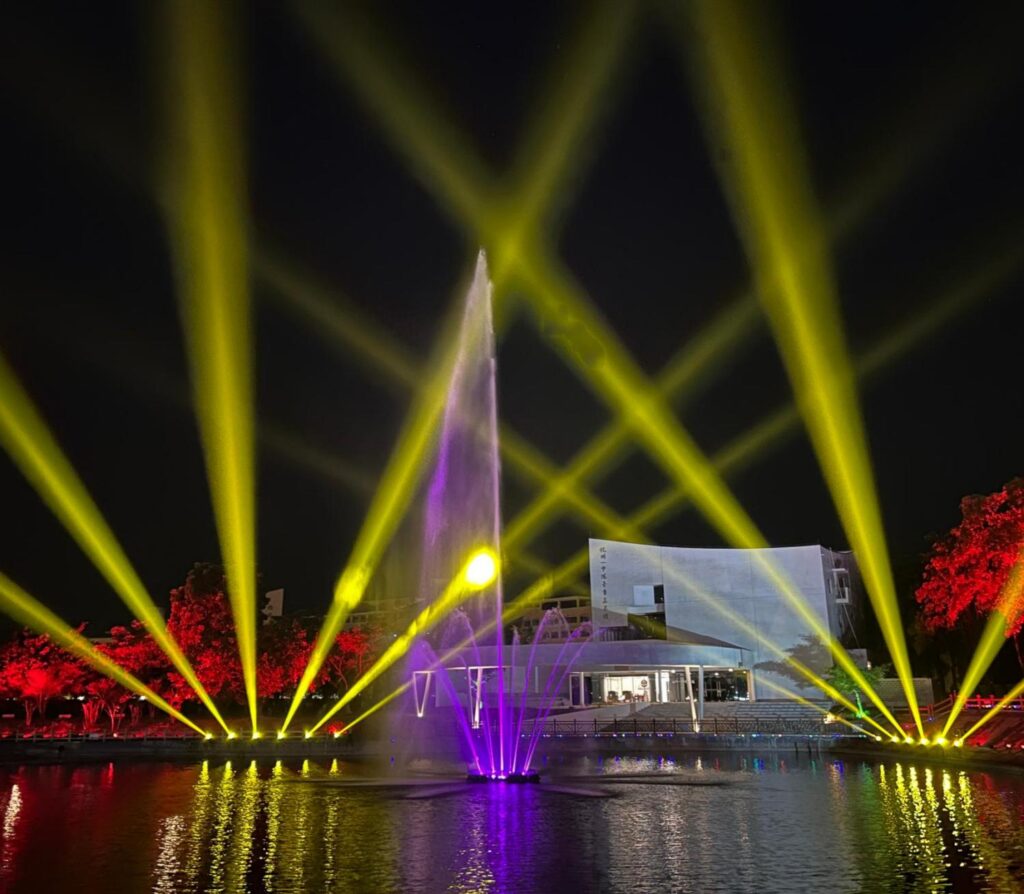
Stage lighting plays a powerful role in how an event looks and feels. Whether it’s a concert, wedding, theater show, or corporate event, lighting can transform an ordinary setup into something unforgettable. If you’re new to this field, understanding the basics is the first step toward creating impactful visuals.
In this beginner-friendly guide by JJY Stage, we’ll break down everything you need to know in a simple and practical way—so you can confidently choose the right lighting for your needs.
The Basics of stage lighting types You Should Know
Before diving into specific equipment, it’s important to understand what stage lighting types actually mean. In simple terms, they refer to the different categories of lights used to illuminate a stage, enhance visibility, and create mood or effects.
Each type serves a unique purpose. Some are used to highlight performers, while others create colors, patterns, or movement. When combined properly, they form a complete stage lighting design that enhances the overall experience.
Why Are Stage Lighting Types Important?
Lighting isn’t just about visibility—it’s about storytelling and engagement. The right combination of stage lighting types can:
- Set the mood of the event
- Highlight key performers or speakers
- Add drama and depth to the stage
- Improve audience focus
- Enhance video and photography quality
For example, concert lighting systems rely heavily on dynamic lighting to match the rhythm and energy of the music, while weddings often use softer lighting for a romantic atmosphere.
What Are the Main Stage Lighting Types?
Let’s explore the most common stage lighting types you’ll come across as a beginner.
1. Spot Lights: Focus and Precision
Spot stage lights are designed to highlight a specific person or object on stage. These lights produce a narrow, focused beam.
Best for:
- Speakers and performers
- Theater productions
- Solo acts
They are essential in any stage lighting rig where precise focus is needed.
2. Wash Lights: Even Coverage
Wash stage lights spread light evenly across a large area. Instead of focusing on one subject, they “wash” the stage in color.
Best for:
- Background lighting
- Large stages
- Creating mood
These lights are commonly used in both small and large concert lighting systems.
3. Beam Lights: Strong and Dramatic Effects
Beam stage lights produce sharp, concentrated beams that cut through the air, often visible even in smoky environments.
Best for:
- Concerts
- Nightclubs
- High-energy events
They are popular in DJ stage lighting setups because of their dramatic visual impact.

4. Moving Head Lights: Dynamic and Versatile
Moving head stage lights are motorized lights that can pan, tilt, and change colors automatically.
Best for:
- Live performances
- DJs and concerts
- Advanced stage lighting design
These are among the most versatile stage lighting types, allowing you to create motion and energy on stage.
5. PAR Lights: Simple Yet Powerful
PAR lights for stage are one of the most common lighting tools. They provide strong, consistent light and are easy to use.
Best for:
- Beginners
- Small events
- Stage backlighting
They are often used with LED stage lights, making them energy-efficient and cost-effective.
6. LED Lights: Modern and Efficient
LED stage lights have become the standard in modern lighting due to their efficiency and flexibility.
Benefits include:
- Low power consumption
- Long lifespan
- Multiple color options
Most modern stage lighting types now use LED technology for better performance and reduced costs.
How Do You Choose the Right Stage Lighting Types?
Choosing the right stage lighting types depends on your event, budget, and goals.
Ask Yourself These Questions:
- What type of event are you hosting?
- How large is the stage?
- Do you need dynamic effects or simple lighting?
- What is your budget?
For example:
- A wedding may need wash stage lights and LED stage lights
- A DJ setup benefits from moving head stage lights and beam stage lights
- A theater show requires spot stage lights for focus
At JJY Stage, we always recommend starting simple and gradually building a more advanced stage lighting rig.
What Is a Stage Lighting Rig?
A stage lighting rig is the structure that holds and positions lighting equipment. It includes stands, trusses, and mounting systems.
A well-planned rig ensures:
- Proper light placement
- Safety
- Even coverage
Even the best stage lighting kinds won’t perform well without a proper setup.
How Does Stage Lighting Design Work?
Stage lighting design is the process of planning how lights will be used during an event.
It involves:
- Choosing the right stage lighting categories.
- Positioning lights strategically
- Programming lighting effects
- Matching lighting with music or performance
Professionals often combine multiple lighting types to create a layered and immersive experience.
Stage Lighting Types for Different Events
Concerts
Use a mix of:
- moving head stage lights
- beam stage lights
- wash stage lights
These create energy and movement, essential for large audiences.
Weddings
Focus on:
- LED stage lights
- wash stage lights
Soft and warm lighting enhances the romantic atmosphere.
DJ Events
Ideal setup includes:
- DJ stage lighting systems
- beam stage lights
- moving head stage lights
These keep the crowd engaged and energized.
Theater
Best options:
- spot stage lights
- PAR lights for stage
These ensure clear visibility and focus on performers.
Common Mistakes Beginners Should Avoid
When working with stage lighting types, beginners often make these mistakes:
- Using too many lights without a plan
- Ignoring proper stage lighting design
- Choosing the wrong type for the event
- Poor placement of lights
- Overusing effects
Keep it simple at first. Even basic stage lighting can look amazing when used correctly.
Helpful Tips for Beginners
- Start with LED stage lights for flexibility
- Combine 2–3 stage lighting types instead of using just one
- Always test your setup before the event
- Invest in a stable stage lighting rig
- Learn basic programming for moving head stage lights
Final Words
Understanding stage lighting types is the foundation of creating visually stunning events. Whether you’re setting up a small party or planning a large concert, the right lighting can completely transform the atmosphere.
At JJY Stage, we believe that even beginners can achieve professional results by learning the basics and choosing the right tools. Start simple, experiment with different lighting combinations, and gradually build your expertise.
With the right approach, your lighting setup won’t just illuminate the stage—it will bring your entire event to life.
FAQs
1. What are the most common stage lighting types?
The most common types of stage lighting include spot, wash, beam, moving head, and PAR lights.
2. Are LED stage lights better than traditional lights?
Yes, LED stage lights are more energy-efficient, long-lasting, and versatile compared to traditional lighting.
3. What lighting is best for DJs?
DJ stage lighting setups usually include moving head stage lights and beam stage lights for dynamic effects.
4. How many stage lights do I need?
It depends on your event size, but beginners can start with 3–5 basic types of stage lighting.
5. What is the role of stage lighting design?
Stage lighting design helps create the right mood, improve visibility, and enhance the overall event experience.