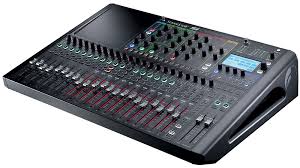
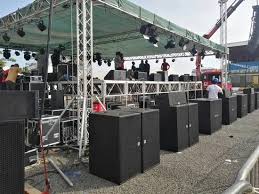
Professional audio equipment for stage events
stage lighting equipment

OEM Stage Lighting Manufacturer in China: Professional Beam Moving Head Light & Stage Lighting Equipment

Introduction The global entertainment industry continues to grow rapidly, and the demand for high-quality beam moving head light systems and reliable stage lighting equipment is higher than ever. From concerts and theaters to rental events and commercial AV installations, professional lighting plays a critical role in creating unforgettable visual experiences. For international distributors, event production companies, and wholesale buyers, choosing the right OEM manufacturer is just as important as selecting the right products. A trusted China-based stage lighting factory can provide competitive pricing, consistent quality, OEM customization, and strong export support. As a professional China manufacturer, JJY Stage supplies advanced stage lighting solutions for global B2B buyers. The company specializes in beam lights, moving head fixtures, LED Display Products, and complete event lighting systems for commercial and entertainment applications. In this guide, we will explore why China remains a leading manufacturing hub for stage lighting and how buyers can choose the best OEM supplier for long-term business success. Why Beam Moving Head Light Systems Are Essential in Modern Events A modern event setup is incomplete without professional lighting effects. High-performance Moving Head Beam Lights creates powerful beams, dynamic motion, and dramatic visual effects that enhance audience engagement. Today’s event venues rely heavily on: These systems help event organizers create immersive visual environments for audiences. Key Features of Professional Beam Lights for Stage Professional stage beam light systems typically include: Because of these advantages, beam lights for stage productions are widely used in live concerts, theaters, clubs, and touring systems worldwide. The Growing Global Demand for Professional Stage Lighting The entertainment and event industries are becoming more technology-driven every year. Large-scale concerts, corporate events, wedding productions, esports tournaments, and immersive theater experiences all require advanced lighting systems. This has increased demand for: International buyers are also looking for suppliers that offer: China manufacturers have become major suppliers because they combine manufacturing scale with advanced production technology. Why Choose a China OEM Stage Lighting Manufacturer? China has become one of the world’s largest production centers for stage lighting equipment. Many international buyers choose Chinese OEM factories because of their manufacturing flexibility and cost advantages. 1. Competitive Manufacturing Costs China factories can produce high-quality stage lighting equipment at competitive prices due to: This helps distributors and wholesalers improve profit margins. 2. OEM and ODM Customization Professional OEM factories can customize: This is especially important for distributors building private-label product lines. 3. Export Experience Experienced China manufacturers understand international standards and export requirements, including: 4. Fast Production and Delivery Reliable factories maintain organized production schedules and inventory systems, helping buyers reduce lead times for urgent projects. Understanding Different Types of Stage Lighting Equipment There are many categories of professional lighting products used in entertainment and commercial installations. Beam Moving Head Light A beam moving head light produces concentrated, sharp beams for dynamic visual effects during concerts and live performances. Common applications include: LED Moving Head Beam Light An LED moving head beam light offers: These fixtures are becoming increasingly popular for rental companies and venues seeking lower maintenance costs. Wash Lights Wash fixtures provide wide color coverage for stages, walls, and performance areas. Spot Lights Spot moving heads focus on performers or specific visual effects. DMX Stage Lighting Systems DMX stage lighting technology allows centralized control of multiple lighting fixtures for synchronized programming and effects. Applications of Professional Stage Lighting Systems Professional lighting solutions are used across many industries and venues. Concerts and Live Productions Concert stage lights create immersive visual experiences that enhance live music performances. Rental Companies Rental businesses require durable and versatile stage lighting equipment that can handle frequent transportation and setup. Theaters Theater stage lighting design focuses on storytelling, mood creation, and audience engagement. Churches and Worship Venues Church lighting systems often combine beam lights, wash fixtures, and LED wall integration. Clubs and Entertainment Venues Nightclubs use stage beam light systems to create energetic atmospheres and synchronized lighting shows. Commercial AV Projects Hotels, conference centers, and entertainment complexes also use intelligent lighting systems for professional presentations and events. Benefits of Working With a Reliable OEM Manufacturer Choosing the right OEM supplier can directly impact your business reputation and customer satisfaction. Consistent Product Quality Reliable manufacturers use strict quality control processes during production and testing. Long-Term Supply Stability A dependable factory can support growing order volumes and long-term partnerships. Better Technical Support Professional manufacturers provide: Wholesale and Distributor Support International B2B buyers benefit from: Product Innovation Leading factories continuously improve: JJY Stage – Trusted OEM Stage Lighting Manufacturer in China JJY Stage is a professional China manufacturer specializing in stage lighting, sound audio systems, and LED display solutions for global B2B buyers. The company supplies a wide range of products, including: OEM and Custom Manufacturing Services JJY Stage supports OEM and ODM services for distributors, wholesalers, and project contractors. Customization options include: Global Export Capability The company serves international buyers across: With export-focused production processes, JJY Stage helps global buyers maintain stable inventory and reliable project delivery. How to Choose the Right Stage Lighting Equipment Selecting the right lighting system depends on project requirements, venue size, and performance goals. Consider Beam Brightness For concerts and large venues, higher wattage fixtures provide stronger beam projection and visibility. Check DMX Compatibility Professional setups require reliable DMX stage lighting compatibility for centralized control. Evaluate Build Quality Look for: Review Power Efficiency LED-based fixtures help reduce energy costs and maintenance requirements. Understand Venue Requirements Different venues require different lighting styles: Venue Type Recommended Lighting Concerts Beam moving head lights Theaters Wash + spot combinations Clubs Fast-moving beam effects Churches Soft wash and beam systems Rental Companies Multi-purpose intelligent fixtures Ask About OEM Support Distributors should confirm: Trends in the Stage Lighting Industry The global stage lighting market continues to evolve with new technologies and buyer demands. Smart Lighting Integration More venues are adopting programmable lighting systems with advanced DMX control. Energy-Efficient LED Systems LED fixtures are replacing traditional discharge lamps due to lower operating costs. Compact Touring Fixtures Rental companies increasingly prefer lightweight fixtures

Read More »
Power Amplifiers

Power Amplifiers Guide: Choosing the Best Subwoofer Amplifier, 5 Channel Amplifier & Unit Amplifier for Professional Audio Systems

In today’s professional audio industry, power amplifiers play a critical role in delivering clear, powerful, and stable sound performance. Whether you are building a concert sound system, upgrading a club installation, or supplying equipment for rental events, choosing the right subwoofer amplifier, 5 channel amplifier, or unit amplifier can directly impact audio quality and system reliability. For distributors, AV integrators, rental companies, and commercial buyers, understanding amplifier specifications is essential before importing or purchasing equipment from a China manufacturer. Modern amplifiers are designed to provide high efficiency, stable output, low distortion, and reliable long-term operation for demanding environments. As a professional China OEM audio equipment manufacturer, JJY Stage provides export-quality amplifier solutions for global B2B buyers, wholesalers, and project contractors worldwide. What Is a Power Amplifier? A power amplifier is an electronic device that increases low-level audio signals into powerful output signals capable of driving loudspeakers. Without an amplifier, speakers cannot produce high-volume sound required for professional events or commercial audio systems. Power amplifiers are commonly used in: Professional amplifiers are designed to deliver stable performance even during long operating hours and high-output conditions. Understanding Different Types of Power Amplifiers Subwoofer Amplifier for Deep Bass Performance A subwoofer amplifier is specially designed to power subwoofers and reproduce low-frequency bass sounds. These amplifiers provide high wattage output and strong current delivery for powerful bass performance. Key features include: Subwoofer amplifiers are widely used in: For rental companies and event organizers, reliable bass amplification is essential for delivering immersive audience experiences. Why Choose a 5 Channel Amplifier? A 5 channel amplifier allows users to power multiple speakers from one amplifier unit. This setup is ideal for commercial audio installations and professional event systems. Typical channel configuration includes: Benefits of a 5 channel amplifier include: This amplifier type is commonly used in: For system integrators and project contractors, a 5 channel amplifier provides flexible audio distribution and easier system management. What Is a Unit Amplifier? A unit amplifier refers to a compact or integrated amplifier system designed for specific audio applications. These amplifiers are often used in portable systems, fixed installations, or compact commercial audio setups. Common advantages include: Unit amplifiers are suitable for: Many B2B buyers prefer unit amplifiers because they offer convenient installation and cost-effective system expansion. Portable Guitar Amplifier Solutions for Musicians A portable guitar amplifier is designed for mobility and convenience while maintaining strong audio performance. These amplifiers are popular among musicians, rehearsal studios, and live performers. Important features include: Portable guitar amplifiers are often used for: For wholesalers and distributors, portable amplifiers are attractive products due to their growing demand in the global music equipment market. Mini Amplifier Systems for Compact Audio Applications A mini amplifier provides efficient sound amplification in a small-sized unit. Although compact, modern mini amplifiers can still deliver impressive sound quality and operational stability. Mini amplifiers are commonly used in: Advantages include: Mini amplifiers are becoming increasingly popular in commercial audio and portable event applications. What Does a Power Amplifier Look Like? Many buyers ask, “what does a power amplifier look like?” Professional power amplifiers typically feature: Different amplifier models vary in size depending on output power and intended application. Entry-level amplifiers may be compact and lightweight, while high-power touring amplifiers are usually larger with advanced cooling systems and reinforced components. Amplifier Speaker Compatibility Explained Choosing the right amplifier speaker combination is extremely important for audio system stability and sound quality. When matching amplifiers and speakers, buyers should consider: Incorrect matching can lead to: Stage Audio Equipment engineers always ensure amplifier output properly matches speaker specifications. Amplifier Wattage Explained Amplifier wattage refers to the amount of electrical power an amplifier delivers to speakers. Higher wattage generally means higher sound output capability. However, more wattage does not always mean better performance. Buyers should select amplifier wattage based on: General Wattage Guidelines Application Recommended Wattage Small venues 200W–500W Medium events 500W–1500W Large concerts 2000W+ Subwoofer systems High-current amplifiers For professional touring systems, sufficient power headroom helps prevent clipping and ensures cleaner sound output. Choosing the Right Amplifier Selecting the correct amplifier depends on several technical and commercial factors. Key Considerations for B2B Buyers 1. Power Output Choose amplifier power according to speaker requirements and event scale. 2. Channel Configuration Decide between stereo, multi-channel, or 5 channel amplifier systems based on installation needs. 3. Cooling System Reliable cooling improves amplifier lifespan during continuous operation. 4. Protection Features Professional amplifiers should include: 5. Build Quality Commercial buyers should prioritize export-quality manufacturing and durable components. 6. OEM Customization Many distributors require: Working with a reliable China OEM manufacturer helps simplify these requirements. Matching Amplifiers & Speakers Proper amplifier and speaker matching ensures optimal performance and long equipment life. Important Matching Rules Why Proper Matching Matters Correct matching improves: Professional AV integrators carefully calculate amplifier-to-speaker ratios before installation. Benefits of Professional Power Amplifiers Modern professional amplifiers offer many operational advantages for commercial users. High Reliability Professional amplifiers are designed for continuous use in demanding environments. Stable Audio Performance Advanced circuitry helps reduce distortion and signal loss. Efficient Cooling Systems Modern cooling designs improve long-term operational stability. Energy Efficiency Many modern amplifiers use efficient power management technology. OEM & Export Support China manufacturers like JJY Stage provide flexible OEM and export services for international distributors. Scalable System Integration Professional amplifiers support expandable audio system configurations. JJY Stage: Professional China Manufacturer for Power Amplifiers JJY Stage is a professional China manufacturer specializing in professional audio equipment, stage lighting, LED displays, and sound system solutions for global B2B markets. Why Global Buyers Choose JJY Stage JJY Stage supplies professional amplifier systems for: The company supports international buyers with customized solutions and factory-direct supply services. Applications of Power Amplifiers Professional power amplifiers are widely used across multiple industries. Concerts & Live Productions High-output amplifiers deliver powerful sound coverage for large audiences. Rental Companies Durable amplifiers are essential for frequent transportation and repeated event use. Churches & Worship Centers Clear voice reproduction improves audience communication and worship experiences. Clubs & Entertainment Venues Bass amplifiers

Read More »
Professional wireless microphone mic system for stage events

Wireless Microphone Mic System: Complete Buying Guide for Professional Audio Applications

In today’s live event and commercial AV industry, a reliable wireless microphone mic system is no longer optional. From concerts and conferences to churches and stage productions, professional audio depends on clear sound transmission, stable connectivity, and flexible performance. As global events become more advanced, buyers are looking for durable and export-quality audio solutions that can support large venues, touring systems, and professional productions. A high-quality system wireless microphone setup improves mobility, reduces cable clutter, and delivers better audience engagement. For distributors, rental companies, AV integrators, and event production firms, choosing the right wireless microphone system can directly impact operational efficiency and customer satisfaction. This guide explains everything international buyers need to know before sourcing wireless microphone solutions from a trusted China manufacturer like JJY Stage. What Is a Wireless Microphone Mic System? A wireless microphone system allows audio signals to transmit without physical cables. Instead of using wired connections, the microphone sends signals through radio frequencies to a receiver connected to a mixer, amplifier, or speaker system. A complete wireless microphone setup usually includes: These systems are widely used in: Modern wireless microphone technology offers stable frequency performance, reduced interference, and professional sound quality suitable for demanding stage environments. Why Professional Wireless Microphone Systems Matter Professional audio environments require more than basic microphones. Event organizers and AV companies need systems that can perform consistently under heavy use. Key Advantages of a Professional Wireless System Freedom of Movement Performers, presenters, and speakers can move freely across the stage without cable limitations. Cleaner Stage Setup Wireless systems reduce cable clutter, making stage installations safer and more professional. Better Audience Experience Clear audio transmission improves speech intelligibility and vocal performance quality. Faster Event Setup Rental companies and production teams save time during installation and teardown. Scalable Multi-Channel Operation Professional systems support multiple microphones operating simultaneously. Reliable Long-Distance Transmission High-end UHF systems provide stable signals even in large venues and outdoor environments. Compact Wireless Microphone System for Portable Applications A compact wireless microphone system is ideal for portable productions, mobile events, and smaller venues where lightweight equipment is essential. These systems are popular among: Features of Compact Wireless Systems Compact systems are especially useful for buyers looking for cost-effective wholesale audio solutions without sacrificing reliability. Wireless Microphone System for Professional Plays and Stage Productions A wireless microphone system for professional plays must deliver consistent audio clarity while remaining nearly invisible to the audience. Theater productions often use: Important Requirements for Theater Applications Stable Frequency Management Multiple actors may use microphones simultaneously, requiring advanced frequency coordination. Clear Vocal Reproduction Dialogue must remain intelligible throughout the performance. Low Interference Professional systems minimize signal dropouts and RF interference. Comfortable Wearability Lightweight bodypacks and discreet microphones improve performer comfort. For theaters and stage productions, reliability is critical because even minor audio interruptions can disrupt live performances. Best Microphones for Recording Vocals While wireless systems dominate live events, studio applications still rely heavily on professional vocal microphones. The best microphones for recording vocals provide: Popular Vocal Recording Microphone Types Dynamic Microphones Ideal for live vocals and loud environments. Condenser Microphones Preferred for studio vocal recording due to high sensitivity and detail. Ribbon Microphones Used in specialized studio environments for warm tonal characteristics. A professional vocal recording microphone helps artists achieve cleaner and more accurate recordings in studios, podcasts, and broadcast environments. Choosing a Professional Studio Microphone A high-quality professional studio microphone is essential for content creators, music producers, podcasters, and broadcasters. Key Features to Consider Many buyers searching for a microphone professional studio setup also look for compatibility with mixers, audio interfaces, and recording software. Podcast Microphone Kit for Content Creators Podcasting and live streaming continue to grow worldwide. A complete podcast microphone kit usually includes: These kits are ideal for: For distributors and wholesalers, podcast equipment has become a fast-growing category in the professional audio market. UHF vs VHF Microphones Wireless microphones mainly operate using either UHF or VHF frequencies. Feature UHF Microphones VHF Microphones Frequency Range Higher Lower Signal Stability More stable Less stable Interference Resistance Better Moderate Audio Quality Professional-grade Basic Operating Distance Longer Shorter Best Use Large venues & professional events Small venues Why UHF Systems Are Preferred Most professional stage and commercial applications prefer UHF systems because they offer: For touring productions and rental companies, UHF wireless microphone systems provide more dependable performance. Wireless Mic Buying Guide Choosing the right wireless microphone depends on the intended application and venue size. 1. Determine the Application Different environments require different microphone types. 2. Check Frequency Stability Professional buyers should prioritize systems with stable RF performance and automatic frequency scanning. 3. Consider Operating Range Large venues require long-distance signal transmission capabilities. 4. Evaluate Battery Performance Rechargeable systems reduce operating costs for rental companies and event venues. 5. Look for OEM Support Wholesale buyers should work with manufacturers offering: 6. Confirm Compatibility Ensure the wireless system works with: Best Stage Microphones Professional stage microphones are designed to handle demanding live environments. Common Stage Microphone Types Handheld Vocal Microphones Ideal for singers, MCs, and presenters. Headset Microphones Perfect for fitness trainers, stage actors, and public speakers. Instrument Wireless Systems Used for guitars and musical instruments. Features of High-Quality Stage Microphones For rental companies and touring systems, durability and reliability are essential factors. Wireless Mic Troubleshooting Even professional systems may occasionally experience operational issues. Common Problems and Solutions Signal Dropouts Cause: Interference or weak batteriesSolution: Change frequencies and replace batteries. Distorted Audio Cause: Incorrect gain settingsSolution: Adjust input sensitivity and mixer levels. Short Operating Range Cause: Obstructions or antenna placementSolution: Improve antenna positioning. RF Interference Cause: Nearby wireless devicesSolution: Use professional UHF frequency coordination. No Audio Output Cause: Incorrect connectionsSolution: Verify receiver and mixer connections. Proper maintenance helps extend system lifespan and improve performance reliability. Why International Buyers Choose JJY Stage As a professional China manufacturer specializing in stage audio and lighting equipment, JJY Stage provides reliable wireless microphone systems for global B2B buyers. OEM and Wholesale Support JJY Stage supports: Factory Manufacturing Strength The company serves: Quality

Read More »
Professional audio equipment for stage events

Professional Audio Equipment for Modern Stage Production: A Buyer’s Guide from a China Manufacturer

Professional audio equipment is the backbone of every successful live event. Whether you are building a professional DJ sound system, planning a concert setup, or sourcing products for rental and AV projects, the right audio gear can completely change the audience experience. From stage speakers and a 5 channel amplifier to a digital mixing console, mixer console, and wireless microphone mic system, every piece must work together with clarity, power, and reliability. For B2B buyers, audio equipment is not only about sound quality. It is also about stable performance, easy setup, export-ready packaging, OEM customization, and long-term supply. That is why many importers, wholesalers, and project buyers look to a trusted China manufacturer that can support wholesale orders, OEM branding, and international delivery. In this guide, we will explain what professional audio equipment includes, how to choose the right products, and why it matters for concerts, stage events, theaters, churches, clubs, and commercial AV projects. What Is Professional Audio Equipment? Professional audio equipment is the group of tools used to capture, control, process, amplify, and reproduce sound in live or installed environments. It includes: In simple terms, professional audio equipment helps sound stay clear, balanced, and strong across a venue. It is designed for higher demand than home audio. That means it can handle long hours, larger audiences, and more complex signal paths. For buyers, the main goal is to match each component correctly. For example, a high-power amplifier speaker setup must support the size of the venue, while a mixer console must give the operator enough channels to manage microphones, instruments, and playback sources. Why Stage Speakers and Mixing Consoles Matter in Live Sound A live event cannot sound professional without the right signal chain. The source goes into the mixer, the mixer controls levels and effects, the amplifier powers the system, and the speakers deliver the sound to the audience. Stage Speakers for Clear and Powerful Output Stage speakers are one of the most important parts of any system. They are built to project strong audio in live settings and usually offer better coverage and durability than ordinary speakers. Buyers often search for: These terms all point to one need: reliable sound that can cover a crowd with clear vocals, music detail, and strong low-end impact. Mixing Consoles for Full Control A mixer console gives the sound engineer control over microphones, instruments, and audio sources. This is where balance, EQ, routing, and effects are managed. Popular buyer searches include: A good console makes setup faster and helps the operator respond quickly during a live show. Digital models are especially popular because they save scene settings, support advanced processing, and are easier to control in complex productions. Key Audio Components Buyers Should Understand When sourcing professional audio products, it helps to understand the role of each item. 1. Stage Speakers These deliver the final sound to the audience. In concerts and events, buyers may choose point-source speakers, powered speakers, or line array systems depending on venue size and application. 2. Amplifiers The amplifier boosts the signal so speakers can perform properly. Common options include: Some buyers also ask, what does a power amplifier look like. In most cases, it is a rack-style metal unit with input, output, power, and control sections. Its appearance depends on whether it is designed for portable use, touring, or fixed installation. 3. Mixers The mixer is the control center. A digital mixing console may be used for larger events, while a small analog mixer console may work well for compact setups. A buyer comparing options should consider: 4. Wireless Microphones A wireless microphone mic system  is essential for speech, performance, churches, conferences, and stage presentations. A stable wireless system reduces cable clutter and supports more flexible movement on stage. 5. Full Sound Packages Many B2B buyers are not looking for one item. They need complete solutions such as: That is why wholesale buyers often prefer a manufacturer that can supply multiple categories from one source. Benefits of Choosing the Right Professional Audio Equipment The right system does more than make sound louder. It improves the whole event experience and reduces operational risk. Better Sound Quality Clear vocals, balanced music, and controlled bass create a better audience experience. This matters in concerts, theaters, clubs, and church systems. Stronger Reliability Professional systems are built for repeated use. That is important for rental companies and event production teams that deploy equipment frequently. Faster Setup A well-designed system saves time on installation, transport, and testing. This is valuable for touring and temporary events. Easier Scaling From a small stage to a large concert venue, buyers can scale systems by choosing the right combination of speakers, mixers, and amplifiers. Better Business Value For distributors and importers, reliable products reduce returns, support customer satisfaction, and improve repeat sales. OEM and Wholesale Flexibility A trusted factory can support custom branding, packaging, frequency options, and project-specific configurations for different markets. JJY Stage as a China Manufacturer for OEM and Export Buyers JJY Stage is positioned as a China manufacturer serving global B2B buyers in stage audio, LED display, and stage lighting. For international importers and project buyers, working with a factory partner brings several advantages. OEM Customization OEM support can include: Wholesale Supply Wholesale buyers often need stable quantity supply, consistent quality, and competitive pricing. Factory-direct sourcing can help streamline procurement and improve margin control. Export Support International buyers need products that are ready for shipping, documentation, and long-distance transport. A manufacturer with export experience can help reduce sourcing friction. B2B Project Support Rental companies, AV integrators, and commercial buyers often need technical support for specific projects. A manufacturer can help match the right mixer console, amplifier, and speaker combination to the venue. For buyers looking for a reliable supplier of stage speakers, digital mixing console products, wireless microphone mic system options, and full audio solutions, JJY Stage offers a practical factory partnership model. Where Professional Audio Equipment Is Used Professional audio equipment is used across many industries and event types.

Read More »
live sound digital mixing console

Live Sound Digital Mixing Console Technology and the Rise of Smart Audio Engineering

Modern entertainment production has evolved dramatically over the past decade. Concerts, festivals, corporate events, houses of worship, live streaming productions, touring performances, and commercial venues now require more advanced audio systems, including a live sound digital mixing console, capable of delivering cleaner sound, faster control, flexible routing, and smarter workflow management. Today’s audio engineers work in increasingly demanding environments where sound systems must support: As audio production continues becoming more advanced, one technology remains central to modern event engineering: the live sound digital mixing console. Modern digital systems combine: to improve live production quality across modern entertainment industries. JJY Stage continues supporting professional event production with advanced audio systems, concert-grade sound equipment, smart mixing technologies, and professional stage engineering solutions designed for evolving live entertainment environments. Why Is Live Sound Digital Mixing Console Technology Growing So Fast? Live sound digital mixing console systems are growing rapidly because modern productions require faster, smarter, and more flexible audio management solutions. Today’s live sound digital mixing console systems help improve: Modern live sound digital mixing console technology is now widely used across: Digital audio technology continues reshaping modern entertainment production. What Is a Digital Mixing Console? A digital console is an advanced audio management system designed to: Modern systems often combine: Many professionals now prefer: because they provide greater flexibility than traditional analog systems. Why Are Digital Consoles Replacing Analog Systems? Traditional analog systems often require: Modern digital systems improve: Many venues are transitioning from: to digital systems for improved production flexibility. How Does Smart Audio Engineering Work? Smart audio engineering combines: Modern systems help engineers: The rise of smart production technology continues driving demand for digital mixing systems. Why Are Concert Productions Using Digital Consoles? Concert productions require: Modern audio teams increasingly rely on: to maintain high-quality sound during large-scale performances. Digital systems now dominate professional concert touring environments. How Are Smart Venues Using Advanced Audio Control Systems? Modern venues are investing heavily in live sound digital mixing console technology because audiences now expect cleaner sound, immersive experiences, and seamless event production. A modern live sound digital mixing console allows engineers to manage multiple audio zones, wireless systems, and digital effects from a centralized platform. Smart entertainment venues across the United States are increasingly upgrading to live sound digital mixing console systems to improve operational flexibility and production quality How Are Digital Mixers Improving Sound Quality? Digital systems improve: Modern audio engineers use: to create cleaner and more balanced live mixes. High-quality digital processing remains one of the biggest advantages of modern systems. Why Are Compact Digital Consoles Becoming Popular? Modern productions increasingly prioritize: Many professionals now use: because they simplify transportation and event setup. Compact systems are especially popular for: How Are Recording Studios Using Digital Consoles? Modern studios increasingly integrate: Many facilities now use: to improve: Digital technology continues transforming modern studio operations. Why Are Portable Audio Systems Growing? Portable systems allow engineers to: Modern users increasingly prefer: for: Portability has become a major industry trend. How Are Digital Consoles Supporting Hybrid Events? Hybrid events combine: Digital consoles help engineers: Modern hybrid productions increasingly depend on advanced digital mixing infrastructure. Why Are UI-Based Mixers Becoming More Popular? Touchscreen and app-based systems improve: Many engineers now use: to simplify live sound management. Modern interfaces continue improving production flexibility. How Are Mixing Consoles Supporting Live Streaming? Live streaming requires: Modern systems increasingly support: Digital mixing technology remains essential for modern streaming production. Why Is Remote Audio Management Becoming More Popular? Remote control features are becoming one of the biggest advantages of a live sound digital mixing console setup. Engineers can now adjust sound levels, monitor inputs, and optimize mixes from tablets or wireless devices without standing beside the stage equipment. This flexibility makes live sound digital mixing console technology ideal for concerts, conferences, hybrid productions, and touring performances that require fast real-time adjustments. Why Are Professional Audio Engineers Choosing Digital Systems? Professional engineers prioritize: Many teams now prefer: because they improve operational performance during complex productions. How Are Music Studios Using Digital Workflow Systems? Music production increasingly depends on: Many studios now operate: to improve: Digital systems continue reshaping studio production environments. Why Are Multi-Channel Systems Important? Modern productions often involve: Engineers increasingly rely on: to manage complex audio environments efficiently. How Are Mixer Effects Improving Live Audio? Modern consoles often include: Many productions now use: to improve: Built-in effects simplify live production significantly. Why Are Home Studios Using Professional Consoles? Home production environments continue becoming more advanced. Many creators now use: to create professional-quality content from smaller spaces. The rise of home production continues driving digital mixer demand. How Are Digital Consoles Improving Workflow Efficiency? Modern systems improve: Engineers can now: Workflow efficiency remains one of the biggest advantages of digital systems. Why Are Used Mixing Boards Still Popular? Some venues and studios still invest in: because they offer: Budget-conscious productions often combine older equipment with newer technologies. How Are Smart Technologies Influencing Audio Engineering? Modern systems increasingly use: These technologies improve: The future of audio engineering is becoming increasingly intelligent and automated. Why Are Recording Consoles Still Important in 2026? Despite software advancements, physical consoles remain important because they provide: Modern studios continue investing in: to maintain high production standards. How Are Large Venues Using Digital Audio Systems? Large venues require: Digital consoles help venues: Large-scale entertainment increasingly depends on smart digital infrastructure. Why Is Digital Audio Processing Important? Digital processing improves: Modern engineers increasingly rely on: to achieve cleaner and more controlled live mixes. How Is Digital Audio Technology Improving Event Production Efficiency? Event production companies increasingly rely on live sound digital mixing console systems because they reduce setup complexity while improving overall sound management. A modern live sound digital mixing console helps engineers save presets, automate routing, and quickly adapt to changing production requirements during live events. As entertainment technology continues evolving, the role of live sound digital mixing console solutions in smart audio engineering will continue growing across modern production environments. How Does JJY Stage Support

Read More »
wireless microphone mic system

How Wireless Microphone Mic System Solutions Improve Stage Mobility and Sound Quality

Live audio production has evolved dramatically over the past decade. Concert venues, churches, conference centers, event halls, schools, streaming studios, and entertainment facilities now demand more flexible and advanced audio systems, including wireless microphone mic system solutions capable of delivering clear sound, stable performance, and unrestricted stage mobility. One of the most important innovations supporting this transformation is wireless microphone technology. Modern wireless systems allow performers, speakers, DJs, educators, and production teams to move freely without being limited by cables or fixed microphone positions. Today’s audio environments require: Modern live production increasingly depends on advanced wireless audio technology capable of supporting: JJY Stage continues supporting professional audio environments with advanced stage equipment, wireless audio systems, concert sound solutions, and modern event production technology designed for evolving entertainment and commercial audio needs. Why Is Wireless Microphone Mic System Technology Becoming Essential? Wireless microphone mic system technology is becoming essential because modern stage productions require greater flexibility, mobility, and cleaner audio management. Today’s wireless microphone mic system solutions help improve: Modern wireless microphone mic system setups are now widely used across: What Is a Wireless Microphone System? A wireless microphone system allows audio signals to transmit without physical cables connecting the microphone to the sound system. Most systems include: Modern wireless mic systems help performers and speakers move freely while maintaining professional audio quality. How Does a Wireless Microphone Work? Many users search: because wireless audio systems contain more technical components than traditional wired microphones. Wireless systems work by converting audio signals into radio signals that transmit wirelessly from the microphone transmitter to a receiver connected to the sound system. This process allows audio to travel without physical cables. Why Is Stage Mobility Important? Modern performances require: Wireless systems help: A reliable wireless microphone mic system significantly improves stage flexibility during: How Do Wireless Systems Improve Sound Quality? Modern wireless technology has improved dramatically in recent years. Advanced systems now provide: Professional wireless audio microphone systems help maintain consistent sound quality across large venues and crowded RF environments. Why Are Wireless Systems Popular in Churches? Many churches now depend heavily on: Wireless systems allow pastors, worship leaders, and presenters to move naturally across stages while maintaining clear communication. Modern worship environments increasingly prioritize professional audio systems for: How Are DJs Using Wireless Audio Technology? DJ environments require: Many professionals now use: to improve audience engagement during: Wireless technology improves stage presentation and operational convenience. Why Are UHF Wireless Systems Popular? Many professional systems use: Professional venues often prefer UHF systems for: because reliable signal performance is essential during live events. How Do Wireless Microphone Mic System Solutions Reduce Stage Clutter? Traditional wired systems can create: Wireless systems improve: A clean stage environment improves both: Why Are Bluetooth Audio Systems Growing? Consumer and portable audio markets increasingly use: Bluetooth systems are popular for: However, professional productions often prefer dedicated RF wireless systems for improved stability and lower latency. How Are Wireless Systems Supporting Hybrid Events? Modern events increasingly combine: Wireless systems improve: Professional audio systems now play a major role in hybrid event success. Why Is Latency Important in Wireless Audio? Latency refers to the small delay between speaking and sound reproduction. Professional systems minimize latency to improve: Modern wireless microphone mic system technology now offers extremely low latency for professional live audio environments. How Are Wireless Systems Used in Broadcasting? Broadcasters rely heavily on wireless systems for: Portable wireless systems improve: Many broadcasters also use: Why Are Rechargeable Microphones Becoming Popular? Modern systems increasingly use: A reliable charging microphone setup helps reduce: Rechargeable technology continues improving professional wireless audio systems. How Do Wireless Systems Improve Audience Experience? Wireless systems improve: Performers can engage audiences more naturally without being restricted by cables. This creates: Why Are Wireless Systems Important for Conferences? Corporate events require: Wireless systems support: Modern conference venues increasingly depend on advanced wireless audio infrastructure. How Are Wireless Systems Used in Education? Schools and universities increasingly use: Wireless systems improve: Educational institutions increasingly integrate wireless microphone mic system technology into modern learning environments. Why Are Portable Audio Systems Growing? Portable sound systems continue becoming more popular for: Many users search for: because mobility and convenience remain important priorities. How Do Wireless Systems Improve Setup Efficiency? Wireless technology helps reduce: This improves: Large productions increasingly prioritize streamlined wireless workflows. Why Are Consumers Comparing Top Wireless Microphones? Many users compare: before selecting: The wireless audio market continues growing rapidly across entertainment industries. How Are Wireless Systems Used for PC Streaming? Content creators increasingly use: Wireless audio improves: Modern creators increasingly prioritize professional wireless audio quality. Why Is Signal Stability Important? Interference can affect: Professional systems use: to improve live audio performance. Reliable wireless transmission is essential for professional production environments. How Are Wireless Systems Improving Event Production? Modern event production increasingly depends on: Wireless microphone technology helps improve: Professional audio systems continue evolving rapidly in 2026. Why Are Wireless Systems Important for Large Venues? Large venues require: Professional wireless systems help maintain: Concert halls and event centers increasingly depend on advanced wireless infrastructure. How Are Wireless Systems Supporting Entertainment Technology? Entertainment technology increasingly combines: Wireless systems remain central to modern entertainment production workflows. The future of live audio increasingly depends on connected wireless technologies. Why Choose JJY Stage? JJY Stage focuses on: The company supports customers looking for: Whether venues require advanced wireless microphone systems, concert audio infrastructure, or professional event sound solutions, JJY Stage continues supporting the future of live entertainment technology. Helpful Tips Before Choosing a Wireless Microphone System Prioritize Signal Stability Reliable signal transmission improves event performance. Compare Battery Life Longer battery life supports uninterrupted operation. Evaluate Venue Size Larger venues may require stronger wireless coverage. Consider Frequency Technology Professional systems often provide better interference protection. Focus on Audio Clarity High-quality microphones improve vocal performance and audience experience. Final Words Modern live entertainment, event production, corporate presentations, worship services, and streaming environments increasingly depend on advanced wireless audio technology capable of improving stage mobility, operational flexibility, and professional sound

Read More »

Professional Audio Equipment for Modern Stage Production: A Buyer’s Guide from a China Manufacturer

Professional audio equipment is the backbone of every successful live event. Whether you are building a professional DJ sound system, planning a concert setup, or sourcing products for rental and AV projects, the right audio gear can completely change the audience experience. From stage speakers and a 5 channel amplifier to a digital mixing console, mixer console, and wireless microphone mic system, every piece must work together with clarity, power, and reliability.

For B2B buyers, audio equipment is not only about sound quality. It is also about stable performance, easy setup, export-ready packaging, OEM customization, and long-term supply. That is why many importers, wholesalers, and project buyers look to a trusted China manufacturer that can support wholesale orders, OEM branding, and international delivery.

In this guide, we will explain what professional audio equipment includes, how to choose the right products, and why it matters for concerts, stage events, theaters, churches, clubs, and commercial AV projects.

What Is Professional Audio Equipment?

Professional audio equipment is the group of tools used to capture, control, process, amplify, and reproduce sound in live or installed environments. It includes:

  • Stage speakers professional systems
  • Amplifiers such as 5 channel amplifier and 4 channel mixing console setups
  • Digital mixing console and live mixing console units
  • Wireless microphone mic system products
  • Processor-based sound systems
  • Powered and passive speaker systems
  • DJ and concert audio gear

In simple terms, professional audio equipment helps sound stay clear, balanced, and strong across a venue. It is designed for higher demand than home audio. That means it can handle long hours, larger audiences, and more complex signal paths.

For buyers, the main goal is to match each component correctly. For example, a high-power amplifier speaker setup must support the size of the venue, while a mixer console must give the operator enough channels to manage microphones, instruments, and playback sources.

Why Stage Speakers and Mixing Consoles Matter in Live Sound

A live event cannot sound professional without the right signal chain. The source goes into the mixer, the mixer controls levels and effects, the amplifier powers the system, and the speakers deliver the sound to the audience.

Stage Speakers for Clear and Powerful Output

Stage speakers are one of the most important parts of any system. They are built to project strong audio in live settings and usually offer better coverage and durability than ordinary speakers.

Buyers often search for:

  • stage speakers professional
  • line array speakers for sale
  • sound equipment on a concert stage
  • stage sound equipment

These terms all point to one need: reliable sound that can cover a crowd with clear vocals, music detail, and strong low-end impact.

Mixing Consoles for Full Control

A mixer console gives the sound engineer control over microphones, instruments, and audio sources. This is where balance, EQ, routing, and effects are managed.

Popular buyer searches include:

  • digital mixing console
  • live mixing console
  • 4 channel mixing console
  • 6 channel mixing console
  • best digital mixing console
  • best small mixing console
  • best mixing console for home studio
  • what is mixing console

A good console makes setup faster and helps the operator respond quickly during a live show. Digital models are especially popular because they save scene settings, support advanced processing, and are easier to control in complex productions.

Key Audio Components Buyers Should Understand

When sourcing professional audio products, it helps to understand the role of each item.

1. Stage Speakers

These deliver the final sound to the audience. In concerts and events, buyers may choose point-source speakers, powered speakers, or line array systems depending on venue size and application.

2. Amplifiers

The amplifier boosts the signal so speakers can perform properly. Common options include:

  • 5 channel amplifier
  • 4 channel amplifier
  • mini amplifier
  • portable guitar amplifier

Some buyers also ask, what does a power amplifier look like. In most cases, it is a rack-style metal unit with input, output, power, and control sections. Its appearance depends on whether it is designed for portable use, touring, or fixed installation.

3. Mixers

The mixer is the control center. A digital mixing console may be used for larger events, while a small analog mixer console may work well for compact setups.

A buyer comparing options should consider:

  • number of input channels
  • built-in DSP or effects
  • output flexibility
  • scene memory
  • remote control
  • portability
  • ease of use

4. Wireless Microphones

A wireless microphone mic system  is essential for speech, performance, churches, conferences, and stage presentations. A stable wireless system reduces cable clutter and supports more flexible movement on stage.

5. Full Sound Packages

Many B2B buyers are not looking for one item. They need complete solutions such as:

  • professional dj sound system
  • concert audio packages
  • touring sound setups
  • club sound systems
  • rental-ready stage audio bundles

That is why wholesale buyers often prefer a manufacturer that can supply multiple categories from one source.

Benefits of Choosing the Right Professional Audio Equipment

The right system does more than make sound louder. It improves the whole event experience and reduces operational risk.

Better Sound Quality

Clear vocals, balanced music, and controlled bass create a better audience experience. This matters in concerts, theaters, clubs, and church systems.

Stronger Reliability

Professional systems are built for repeated use. That is important for rental companies and event production teams that deploy equipment frequently.

Faster Setup

A well-designed system saves time on installation, transport, and testing. This is valuable for touring and temporary events.

Easier Scaling

From a small stage to a large concert venue, buyers can scale systems by choosing the right combination of speakers, mixers, and amplifiers.

Better Business Value

For distributors and importers, reliable products reduce returns, support customer satisfaction, and improve repeat sales.

OEM and Wholesale Flexibility

A trusted factory can support custom branding, packaging, frequency options, and project-specific configurations for different markets.

JJY Stage as a China Manufacturer for OEM and Export Buyers

JJY Stage is positioned as a China manufacturer serving global B2B buyers in stage audio, LED display, and stage lighting. For international importers and project buyers, working with a factory partner brings several advantages.

OEM Customization

OEM support can include:

  • logo printing
  • custom packaging
  • product color options
  • specification adjustments
  • project-based configurations

Wholesale Supply

Wholesale buyers often need stable quantity supply, consistent quality, and competitive pricing. Factory-direct sourcing can help streamline procurement and improve margin control.

Export Support

International buyers need products that are ready for shipping, documentation, and long-distance transport. A manufacturer with export experience can help reduce sourcing friction.

B2B Project Support

Rental companies, AV integrators, and commercial buyers often need technical support for specific projects. A manufacturer can help match the right mixer console, amplifier, and speaker combination to the venue.

For buyers looking for a reliable supplier of stage speakers, digital mixing console products, wireless microphone mic system options, and full audio solutions, JJY Stage offers a practical factory partnership model.

Where Professional Audio Equipment Is Used

Professional audio equipment is used across many industries and event types. This makes it a strong category for distributors, rental businesses, and project contractors.

Concerts and Touring

Large live performances need high-output speakers, reliable amplifiers, and advanced mixing systems.

Stage Events

From award shows to product launches, stage sound equipment must stay clear and stable under pressure.

Rental Companies

Rental businesses need durable gear that can be packed, transported, and reinstalled many times.

Churches

Church sound systems require vocal clarity, stable wireless microphones, and easy operation.

Clubs and Bars

These venues need strong bass, clear midrange, and dependable sound control for long operating hours.

Theaters

Theater audio demands controlled coverage and a system that supports speech, music, and effects.

Live Productions

Production teams need flexible solutions that can adapt to different venues and event formats.

Event Venues and Commercial AV Projects

Hotels, halls, convention centers, and commercial spaces often need installed sound systems with consistent performance.

Buying Guide: How to Choose the Right Professional Audio Equipment

Choosing professional audio equipment is easier when you focus on the actual use case.

1. Match the System to the Venue

A small indoor hall does not need the same setup as a concert stage or open-air event. Start with room size, audience size, and coverage needs.

2. Decide Between Analog and Digital

A digital mixing console is ideal for more control, memory, and flexibility. A basic mixer may be enough for smaller projects.

3. Check the Channel Count

A 4 channel mixing console may suit simple setups. A 6 channel mixing console gives more room for microphones and instruments. Larger live events usually need even more channels.

4. Review Power and Compatibility

Make sure the amplifier matches the speaker load and output requirements. Poor matching can reduce performance or damage gear.

5. Think About Portability

For mobile events and rental use, weight, rack design, and easy transport matter. This is where compact systems and a mini amplifier can be useful.

6. Consider User Skill

If the system will be used by different operators, choose gear that is simple to set up and easy to learn.

7. Ask About OEM and Spare Support

For B2B purchasing, long-term supply is as important as the first order. Ask about spare parts, warranty support, and custom production options.

8. Compare Application-Specific Products

A portable guitar amplifier is very different from a stage PA system. A buyer should always choose the product based on the actual application, not only on price.

Featured Snippet Style Answer: What Is a Mixing Console?

A mixing console is the central device used to control audio signals from microphones, instruments, and media sources. It lets the sound engineer adjust volume, tone, routing, and effects before sending the final mix to speakers or recording devices.

Why B2B Buyers Source from China for Audio Equipment

Many international buyers source from China because they want a balance of price, customization, and supply capacity. A China factory can support:

  • OEM branding
  • wholesale order volume
  • export packaging
  • product customization
  • fast response for project orders
  • a wider selection of audio categories

For importers and distributors, this creates a strong sourcing channel for products like stage speakers, mixer console units, digital mixing console systems, and complete concert sound equipment packages.

CTA:

Looking for a dependable supplier of professional audio equipment? JJY Stage supports OEM customization, wholesale supply, and export orders for global buyers. Contact us to discuss your stage speakers, mixing consoles, amplifiers, microphone systems, and complete sound solutions.

Conclusion

Professional audio equipment is the foundation of every successful live event. Whether you need stage speakers, a digital mixing console, a mixer console, or a wireless microphone mic system, the right combination improves sound quality, workflow, and audience experience.

For international B2B buyers, sourcing from a reliable China manufacturer brings added value through OEM support, export readiness, wholesale supply, and product customization. JJY Stage is built to support those needs with factory-based solutions for concerts, stage events, rental systems, and commercial AV projects.

If you are building a new sound system or expanding your product line, choosing the right professional audio equipment supplier can help your business grow with confidence.

FAQ: Professional Audio Equipment

1. What is professional audio equipment?

Professional audio equipment includes speakers, mixers, amplifiers, microphones, and signal processing tools used for live events, stage production, and commercial sound systems.

2. What is the best mixing console for live sound?

The best mixing console depends on the event size, channel count, and control needs. For live shows, many buyers prefer a digital mixer console for flexibility and scene memory.

3. What is the difference between stage speakers and home speakers?

Stage speakers are made for higher output, wider coverage, and more demanding live use. Home speakers are not built for the same power or durability.

4. What does a power amplifier look like?

A power amplifier is usually a rack-style metal unit with input, output, and control panels. It may be compact for portable use or larger for touring systems.

5. Can JJY Stage support OEM and wholesale orders?

Yes. As a China manufacturer, JJY Stage can support OEM customization, export supply, and wholesale B2B purchasing for global buyers.

6. What equipment is needed for a concert sound system?

A concert sound system usually includes stage speakers, amplifiers, a digital mixing console, microphones, cables, and sometimes line array speakers.

7. What is the difference between a 4 channel and 6 channel mixing console?

A 4 channel mixer is better for simple setups, while a 6 channel mixer gives more input options for microphones, instruments, and playback sources.